Cathedral of the Immaculate Conception

Springfield, IL

  • About
    • Contact Us
    • History of the Cathedral
    • Liturgical Schedules
    • Parish Staff
    • Register with Cathedral
    • Subscribe to the Cathedral eWeekly
  • Sacraments
    • Baptism
    • Becoming Catholic
    • Matrimony
    • Vocations
  • Ministry List
    • Adult Faith Formation
    • Cathedral Meal Train
    • Cathedral Online Prayer Wall
    • Cathedral Concerts
    • Family of Faith
    • Grief Share
    • Health and Wellness
    • Spiritual Resources
  • Stewardship
    • Stewardship: A Disciple’s Response
    • Stewardship Form
  • Support
    • E-Giving Frequently Asked Questions
    • Give Online
  • Sunday News
    • Announcements
    • Cathedral Weekly
    • Livestream Feed
    • Submit a Mass Intention Request
    • Weekly or Announcement Submission

We Are the Salt and Light

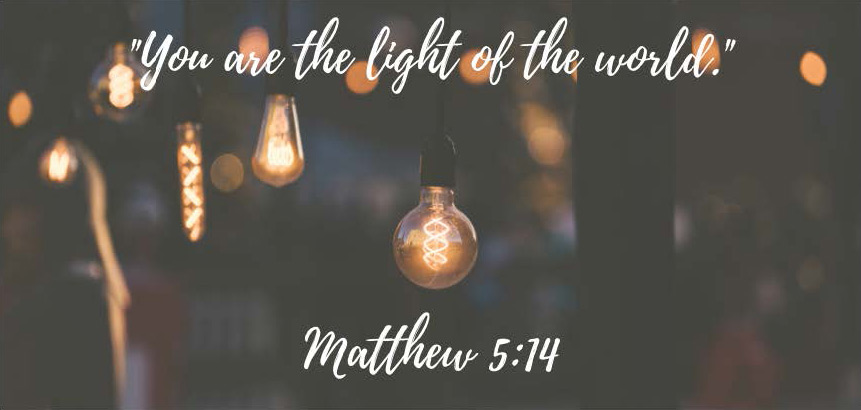
The prophet Isaiah is both concise and profound: “If you remove from your midst oppression, false accusation, and malicious speech; if you bestow your bread on the hungry and satisfy the afflicted; then light shall rise for you in the darkness, and the gloom shall become for you like midday.” These words direct our attention to the sacredness of human life and human dignity. Without mincing any words, Isaiah sees no compromise when it comes to our relationship with the hungry, homeless, naked, and afflicted. Jesus insisted on the centrality of these relationships and directly stated that what you do to one of the least of these you do to him.

How much clearer does it need to be? Our faith speaks directly to every aspect of human need. But even today, there are many who believe that faith and social issues need to remain separate and be treated differently. There are many places where the sacredness of human life and human dignity are sacrificed. The unborn child, the immigrant, the young victim of sex trafficking, victims of war and violence, the poor and the homeless, those struggling to make ends meet who cannot find sustainable work, those on death row, victims of sexual and emotional abuse, the forgotten elderly, those who are physically or emotionally challenged, those suffering from addictions, and those who profit from enabling them are just a few examples. For every one of these and more, there are two things that are needed. The first is an immediate compassionate response that helps to ease their burden. The second is an understanding of why each challenge exists and what needs to be done to fix it.

Both are difficult. And both require more than what social services can provide and law can accomplish. The solution requires an acceptance of what our faith directs us to do and then working towards real systemic change. There is a great deal of work to do, and it will require communities of salt and light to accomplish it. Our faith brings us into the marketplace, to the streets, to politicians, to teachers, to leaders, to governments, and to people who really do not care what Jesus has to say or what Christianity directs.

Salt brings taste, zest, and joy to life. We are asked to liven things up by allowing the joy of our faith to spill over into the lives of others. Once we are able to develop a sincere and deep relationship with God, it will define us and flow out of us.

Because of that relationship, humanity can be freshened and set on proper course. This is especially true if these relationships are cultivated, shared, and enriched in communities that share the same beliefs. To be light means that our faith must translate into action so that we can be Christ for others and extend the same arm of mercy and compassion that Christ did. To be light means that through perseverance, learning, determination, and discernment, the darkness of the cause of injustice can be illumined, challenged, and remedied. None of this is easy work.

St. Paul came to the table with weakness and a lot of trembling. He did not have persuasive words of wisdom that swept people off their feet and set them on proper course. His effectiveness came because of his relationship with Jesus Christ, which brought a demonstration of Spirit and power. His relationship with God flowed over into his life and created an example of convincing integrity. It was from this simple example that the early communities flourished and grew. Numbers were added to the faith not because of what people said, but because of how they lived. They prioritized their lives and solved their problems differently than the rest of the secular world. If it happened once, it can happen again.

As with any group poised with tackling a challenge, some members have the gifts to train hard and get right into the heart of what needs to be done. Others have different gifts and talents and may find themselves suited more for a supportive role, lending their voice of encouragement and contributing to the mission as they can. We all come with different means, but we are all on the same team. Our Lord and Master has given us the blueprint and game plan. All we need to do is put it into action! I wonder how the world would look if Christianity was actually tried for a change.

Jesus wouldn’t have gone through all of the trouble of gathering a bunch of people together, teaching them about the kingdom of God, and sending them off on a mission if he didn’t think we had the ability to handle this. A good teacher knows what his students can handle. Do we see in ourselves what God sees in us? We have the ability to be both salt and light. We can do this!

Fr. Mark Suslenko is Pastor of the Community of Ss. Isidore and Maria in Glastonbury, CT. Fr. Suslenko publishes reflection articles regularly to his parish’s blog. To read more of Fr. Suslenko’s reflections, visit https://isidoreandmaria.org/category/pastor-reflections/.

Discovering Your Superpowers

I was 50 years old before I learned that I had a superpower and that it would help me carry out a special and unique mission. And that I wasn’t the only one; every baptized person has a mission and “superpowers” with which to accomplish their mission. My mission, or call, and yours comes from God. But most Catholics do not know that they have been given a call from God. It is not just for Saints or a small number of special people. It is an ordinary experience. All of us have a contribution to make to the Kingdom of God that is unique and irreplaceable and that really matters.

At Baptism and Confirmation the Holy Spirit pours spiritual gifts into us. Some of these gifts are sanctifying gifts, meant for our own holiness; and some of these gifts are meant to manifest God’s love and mercy to others. The catechism states Within the communion of the Church, the Holy Spirit “distributes special graces among the faithful of every rank” for the building up of the Church. (951) These special graces or gifts are called charisms. And our charisms are the “superpowers” granted by the Holy Spirit that give us a special empowerment to bring God’s redeeming love into the world. We don’t use our charisms for our own gain or betterment, only for God’s purposes or to serve others.

Charisms bear three marks that allow us to recognize them with confidence:

  1. An unmistakable inner experience of peace, energy and joy when you are using this gift.
  2. Unusually effective and successful results in what you are trying to accomplish.
  3. Other people’s direct or indirect recognition of the gift’s presence.

Charisms are profoundly and directly connected to our relationship with God and grow in power and purity as our relationship with God grows. In other words, you cannot begin to discern your charisms until you have “dropped your nets” to follow Christ. Over the next few weeks I will share with you some information about some of the most common charisms, starting with Intercessory Prayer. I hope and pray you will be intrigued by the charisms and curious to discover what yours might be.

Vicki Compton is the Coordinator of Faith Formation and Mission at the Cathedral of the Immaculate Conception in Springfield, Illinois.

The Light That Never Fades

Punxsutawney Phil can thank Catholic culture and tradition for his notoriety. In national lore, Phil, America’s favorite rodent, has been prognosticating longer winters or early springs since the late 19th century. The tradition of Groundhog Day comes from a German tradition, via the Pennsylvania Deutsch, of a badger being the weather predictor. Both are secularizations of an old Candlemas tradition, a feast that goes back to the 4th century. There is an old rhyme that says: If Candlemas be fair and bright, come winter, have another flight; if Candlemas bring clouds and rain, go winter, and come not again.

This Sunday, February 2nd, we celebrate the 40th day since Christmas with the Feast of the Presentation of the Lord. The Church remembers that, in fulfillment of the Levitical law (Lev. 12:1-8), having circumcised Jesus on the 8th day, the Holy Family came into the Temple to complete Mary’s purification as commanded by the law and to offer the proper sacrifice because of the newborn Jesus. The Feast of the Presentation’s more traditional name is Candlemas, literally meaning the Mass of Candles, because this is also the day when the Church traditionally blesses all her candles for the coming year. Candles are blessed on this feast because Jesus is the light that has come into the world, a light even for the Gentiles, as Simeon states and is recorded for us in the second chapter of the Gospel of Luke.

Luke’s narrative of the Presentation introduces us to Simeon and Anna. We are told that Anna was eighty-four years old, was a prophetess, and remained in the Temple constantly. Luke does not recount an encounter between her and the Holy Family but we can deduce that it happened because tells us that Anna “spoke about the child to all who were awaiting the redemption of Jerusalem,” and this encounter must have brought her great joy. Luke does recount for us Simeon’s encounter with the infant Jesus and the mystery that God had made a personal promise to Simeon that he would not die until he had seen the Messiah. After many years of waiting, God’s promise to Simeon is fulfilled and Simeon’s response is one of a prayer of praise that heralds who this child is and what this child shall be. This prayer or Canticle of Simeon, known in Latin as the Nunc Dimittis, is central to the Church’s life of prayer in the Liturgy of the Hours and is prayed at the end of every day in the Church’s night prayer.

From whether or not winter will end early, to Simeon’s heralding of the infant Jesus as a light of revelation, to the blessing of candles, the Feast of the Presentation is a feast of light; not just any light, but Christ who is the light who has come to scatter the darkness. Unlike Simeon, we don’t have to wait for the light to appear. The Lord Jesus remains. He is always present to us, especially in our darkest times, but we, as disciples, must make the conscious choice to walk with Him who is Light from Light.

The light of Christmas in the crèche and the poinsettias and the trees, all these things now finally fade away at the end of these forty days, but not our Lord Jesus Christ. He is the true light of Christmas that knows no season, in whom there is no darkness, and who seeks to show us the way each and every day. May we cooperate with the grace of God given to us so that we might follow the Light wherever He leads us, ultimately home to the Father.

Father Christopher House is the Rector of the Cathedral and serves in various leadership roles within the diocesan curia, namely Chancellor and Vicar Judicial.

Noisy Children at Mass Are Part of Our Catholic Community

I once sat behind an older man who was angry because our then-3-year-old was talking in church. The man spent the entire Mass huffing and puffing, visibly rolling his eyes, and shooting dirty looks at us. As if that didn’t make me feel bad enough, at the sign of peace, he refused to shake any of our hands, or even make eye contact. Embarrassment turned into anger as we left, and I let his attitude of disapproval get the best of me for the rest of the day.

Whenever I write about kids being distracting at Mass, someone always comments that it’s because parents don’t discipline or teach kids how to behave.

Their kids behaved in Mass.

Their grandkids do.

Their neighbor’s friend’s second cousin has a 3-year-old who is so pious, they canonized her right after Mass at doughnuts and coffee in the hall!

For years, I dreaded Sunday mornings. I tried to talk myself out of going to Mass so we wouldn’t have to bother with any of it. Each week, my husband reminded me that we needed to go, and our very normal kids were just being kids.

Sometimes, people were thoughtful and kind. We once had an older couple ask to hold our son. We let them, and he sat and quietly played with the woman’s necklace for the remainder of Mass. Another woman stopped us to say she enjoys watching our family every Sunday. We’ve had people lean over and tell us we’re doing a great job even if our family had been one elephant short of a circus (we have plenty of clowns). But, I can probably count on one hand the times I’ve felt affirmed for bringing my kids to Mass compared to the times we’ve visibly bothered other people.

I think I speak for a lot of parents when I say that I wish people were more patient and understanding. Our kids have a right to be at Mass. As baptized members of the faith, they are part of the Catholic community, and they’re the future of the Church.

Families are not trying to be disruptive. We don’t want to take away from the Mass, but we also don’t want to teach our kids that all they have to do is be loud and we’ll take them out of the church. I understand many parishes have cry rooms, but by sitting in the chapel, most of us want to set an example for our kids of how to behave. We want them to see what goes on, be a part of the congregation, and understand what’s expected of them so they can learn the routine. Our kids can’t learn how to behave in Mass if they are never in Mass.

I liken this season of life with small kids to a test of patience and perseverance. Like a dark night of the soul, I’m often left feeling blah about attending Mass. I get nothing from the readings and homilies most weeks because I’m interfering with my child to stop dropping the hymnal, or telling him to be quiet so people around him can pray. I’m faced with the choice to give up on Mass because it feels like going through the motions: I can surrender to the temptation of just staying home (because it’s easier), or persevere (despite the dry feeling I often have).

Sometimes all we have when it comes to our faith is perseverance, especially when it’s hard. If I stop going to Mass because my kids are little and loud, or busy and distracting, I set an example for them that church isn’t important. If I quit, I will have failed God, who entrusted my children to me so that I could love them and raise them to love him.

When we baptized our children, we promised we would raise them in the faith. I have come to understand that motherhood is my vocation and a huge part of that is to make sure my kids have a foundation in their Christian faith. Even though they don’t seem to be doing much praying during Mass, they are immersed in prayer. (I know because our 5-year-old sometimes recites snippets of the creed when he plays with his trucks.)

I, like many parents, have discovered that children learn by continual repetition. They don’t learn to walk the first time you stand them up. They don’t learn how to eat from a spoon after the first feeding. It all takes practice and patience. So, of course they don’t learn how to be silently still in Mass just because they are there.

My hope is that people will grow to make families with little kids feel more welcome. We should not only embrace young families at Mass, but celebrate them. We have to nurture our community or there won’t be one.

My hope is the next time someone finds themselves getting annoyed by someone’s child, they ask God to show them how they can serve these people. Maybe a friendly smile is all it takes to keep that family coming back and not giving up on their faith because they’re made to feel like an annoyance. I often think back to the kind couple who held our son at Mass. I don’t think they realized how meaningful their gesture was. For the rest of that Mass, we felt like we were part of a community of people who embraced our family. It was refreshing.

So, you never know, maybe your gesture really is the first step in the future canonization of one of these little ones. Or, maybe you’ll just befriend the family and have new friends to eat doughnuts with in the hall after Mass.

Christina Antus lives with her husband and her three cute, but noisy, kids. When she’s not writing, she’s running, reading, folding forever-piles of laundry, and probably burning dinner. You can read more of Christina’s writing at www.heykristeenuh.com/

Lessons From The Night Sky

New York City isn’t known for its stars (of the celestial variety, at least). It may be one of the world’s greatest cities — boasting of culture, theater, restaurants, and museums—but one thing it doesn’t have is a clear night sky. As much as my fellow New York transplants lament visiting our hometowns where restaurants are barely open past 10 p.m., we equally despise the claustrophobia that comes from spending too many hours in the city underground. Sometimes, quite simply, it can be hard to catch your breath.

So while the city lights can dazzle, they tend to drown out the lights sparkling in the night sky. Recently a friend and I were in Central Park at dusk, and while critiquing the one “tall, horrible” building peeking up above the tree line and ruining the illusion of our wooded haven, we spotted a noticeably bright star. We were transfixed. Could a star be that bright? Maybe it was just a plane? Perhaps it was a planet? “Yeah, I see that, too!” a stranger chimed in, unashamedly eavesdropping as we murmured our theories to each other.

In reality, it mostly looked so bright to us because we aren’t used to seeing twinkling lights that aren’t on theater marquees or in fancy lounges. But this moment of wonder transported me from the bustle of the city back to one of my favorite vacation memories. My family had rented a small beach house in a relatively remote section of North Carolina. A local resident informed us one night that there was going to be a meteor shower, and I was instantly intrigued. So because we were on vacation — and when you’re on vacation, there are no rules — I stayed awake past my usual bedtime to see the shower. I remember lying on the deck on my beach towel (still dotted with grains of sand and damp in some spots) surrounded by my family. Even though a day well spent running around in the sun meant that sleep was tugging at my eyes, I kept them wide open and aimed at the sky and waited.

The meteors were spectacular. I remember seeing about a dozen, my family and me shouting out the count and pointing at each little spark. Just these tiny streaks of light deciding in turn when to make themselves known, hardly seeming any bigger than a firefly passing by my nose but a million times more thrilling.

Stars and the sky evoke a lot of images — usually all wishes and romance — but I most remember how the meteor shower made me feel both big and small … and a little bit unsettled. This beautiful vastness has helped me come to better understand the spiritual gift of Fear of the Lord. I first learned about this “gift” in religious education classes in middle school, and I was immediately skeptical. It’s jarring to think of fear as a gift (I’d much rather get a gift card or something from Etsy). And it couldn’t possibly be true that we’re supposed to be afraid of God … right?

And we’re not, really. This type of fear is a humility that empowers and nourishes us. It’s experiencing a world — and a God — so big we can never fully understand it, yet letting it blanket us with comfort. It’s perhaps more easily thought of as awe: that sometimes indescribable feeling of being in the presence of something that feels much greater than us. Feeling small can be scary, and the antidote is recognizing that there is something much bigger that can reassure us. It’s why as children we climb into our parents’ beds during a thunderstorm, and it’s why we have the instinct to turn to God in prayer when we’re feeling troubled. It’s why, even though the meteors were farther away than my 7-year-old mind could conceive, they also made me feel as though I were a part of something, a spectacular show just for my family of four. I still feel a peaceful wonder to think about this meteor shower now, almost 20 years later.

Once I was able to recognize this fear as a kind of awe, I understood it was a gift I actually wanted. Fear often preserves, and this is the type of fear that unlocks the humility that keeps us yearning for God and looking for opportunities to grow closer to and trust Him. Vacation itself helps unlock this very yearning; it helps us break from our routine and experience something new, cloaked in the comfort of a renewed spirit. It’s why we go seek the places we do: the crashing ocean waves that also soothe, the wondrous mountaintops we try to summit, exotic foreign cities teeming with culture. We want to feel refreshed and awed — and also humbled — by what’s out there.

That evening in Central Park, it was wonderful to ponder the one sole speck of light in the night sky above the city. So bright we couldn’t define what it was. Granting a small respite from the typical gray skyline and background static of honking cars, the moment brought back the memories of my childlike wonder … not unlike that of a few New Yorkers remembering to look up at the night sky.

Natalie Vielkind lives in Brooklyn and works in children’s book publishing. She has a degree in English from the University of Pennsylvania.

Carry the Light of Faith

St. Luke tells us that Mary and Joseph, in keeping with the Law of Moses, presented the Child Jesus to God in the Temple in Jerusalem 40 days after his birth. This would also have been the time of Mary’s ritual purification following the birth of her child. We read that they offered to God the sacrifice of poor people: a pair of turtledoves or young pigeons. Simeon and Anna, elderly prophets, received the grace of seeing the longawaited Messiah. All of these mysteries are woven together in the Feast of the Presentation, which is a sort of “little Christmas” marking the end of our reflections on the Nativity and Epiphany of the Lord.

There are three elements of this feast that are worth considering: On the Feast of the Presentation of the Lord, we reflect on the unique way God chose to free the world from sin and death. The texts of the Mass weave together themes and images from the Old and New Testaments to help us enter more fully into mystery of this child who has been born for us. The second reading of the Mass reminds us that by sending His Son, God has given His new chosen people (i.e., the Church) a high priest who is able to complete and perfect the sacrifices of the old covenant by offering his very self.

So firstly, on this day the Church celebrates the entrance of Christ, the new high priest, into his Temple. The sacrifice of this priest will be offered on a cross, and the gifts that he’ll offer will be his own flesh and blood.

Secondly, we are invited to take part in an ancient tradition that comes to us from the Eastern churches. Early on, this feast was known as the meeting of Jesus and Simeon, and it was marked by a procession with lights to celebrate “the light of revelation to the nations.” This custom was adopted by the Roman Church, and the blessing of candles remains an important ritual for this day. We find this image of light in both the first reading and the Gospel.

The Canticle of Simeon, which we hear proclaimed in the Gospel and which is at the heart of the Church’s prayer on this feast, is prayed each evening during Compline, the church’s official night prayer. In this hymn, we join the old man, Simeon, in recognizing that the infant he held in his arms is the light and the Promised One who would bring true and lasting freedom to God’s people.

Simeon stands as a symbol of Israel’s watching and waiting in a time when God’s chosen people were being oppressed by the conquering Romans. In Simeon’s song of praise, we find a faith that speaks to us of a Presence that is stronger than death and darkness. When we may feel the emptiness that comes when hope seems far away, Henri Nouwen looks to Simeon as a witness:

“In that emptiness, God’s unconditional love could be sensed and we could say what the old Simeon said when he took the Christ child in his arms: ‘Now, Master, you can let your servant go in peace as you have promised.’ There, in the midst of dreadful emptiness, was complete trust, complete peace, and complete joy. Death no longer was the enemy. Love was victorious.” (from “The Return of the Prodigal Son”)

Thirdly, we are invited to stand with Mary in praise and adoration. As St. Sophronius of Jerusalem reminds us,

“The Mother of God, the most pure Virgin, carried the true light in her arms and brought him to those who lay in darkness. We too should carry a light for all to see and reflect the radiance of true light as we hasten to meet him.”(from the “Office of Readings for the Presentation of the Lord”)

The example of Mary “carrying a light” is an invitation for each of us to carry the light of faith that burns within our hearts and minds into a darkened world where so many are still looking for the light and warmth of hope and love that can only come from this Holy Child.

In the end, the Feast of the Presentation of the Lord is an invitation for us to reflect on who this Child is and to help us make a connection between the mystery of Christmas and the saving work of Jesus embodied in the fullness of the Paschal Mystery. As the preface for the feast reminds us, this Child is truly “the glory of Israel and the light of the nations.”

A Benedictine monk for nearly 11 years, Br. Silas Henderson, SDS, is an author, retreat leader, and catechist, and former managing editor of Deacon Digest Magazine and Abbey Press Publications. You can find more of Br. Henderson’s blogs at www.fromseason2season.blogspot.com.

The Necessity of Sunday Mass

Do me a favor and please read this all the way through, not stopping until you get to the end. Growing up, there were two basic rules at home (there were more than two but two in particular really stick out in my memory). One was that you were to get a job when you turned sixteen; the second was that you went to Mass every Sunday and holy day. If you were too sick to go to Sunday Mass, then you were obviously too sick to do anything else. When we would go on vacation, the first thing my Dad would do when we got to our hotel was to find out where the nearest Catholic church was and what their Sunday Mass schedule was. You can take a break from work, school, and many other things in life, but you can’t take a break from God. Imagine for one moment if He took a break from us (and you think this world is messed up now?); it would be cataclysmic.

Sunday Mass is an obligation. The Third Commandment handed down by God to Moses is that the Sabbath Day is to be kept holy. In our Christian tradition, the Church understands this as participating at Mass on Sundays. Sunday is the Christian Sabbath (the original day being Saturday) because it was on Sunday that our Lord rose from the dead to new and everlasting life. Participation at Sunday Mass is a precept of the Church and to willfully miss Sunday Mass, without serious reason or without a dispensation, is a grave sin according to the Catechism of the Catholic Church (CCC 2181).

When an act is determined by the Church to be gravely sinful and the act is done freely and knowingly as being gravely sinful, then it is mortally sinful. What does this mean? The Church teaches that mortal sin that is not repented of excludes a soul from heaven. Having said this, in the same section of the Catechism, the Church teaches that final judgment ultimately belongs to the justice and mercy of God (CCC 1861). For those who willfully miss Sunday Mass or Mass on holy days of obligation, the Cathedral offers daily opportunities to celebrate the Sacrament of Reconciliation.

So why am I bringing this up? Last weekend Mass attendance dropped significantly. This happens from time to time, sometimes due to holiday weekends and sometimes due to reasons known only to God. Last weekend I suspect it was due to the cold weather. It’s not fun going out in the cold. For some, they should not venture out in extreme weather due to the necessity of not endangering their personal well-being. For others, it is not so much about necessity but convenience or preference.

At times, we can fall into the trap of misplaced priorities or false judgments about what is good and what is better: vacations, kids’ sporting events, too much “fun” on Saturday night, personal comfort, etc. If we are contemplating missing Sunday Mass (not including being sick or caring for someone who is, or having to work for the sake of being able to live), we have to honestly ask ourselves if there is a duty or serious reason that necessitates our absence; put another way, is what I am doing instead of going to Mass going to deepen my relationship with the Lord or weaken it and possibly break it? Furthermore, if I am responsible for others getting to Mass, like children, how is this judgment going to help or hinder their relationship with God?

Am I casting judgments or aspersions? No; but I am trying to fulfill both my sacred duty as a shepherd of souls as well as fulfilling the prophetic call that we all have by virtue of baptism by calling folks back to right relationship with God. Like the prophets of old, I may be risking having stones thrown at me but I care enough about the salvation of those who come to this Cathedral that I am willing to risk the displeasure of some.

I have focused on the “negative” aspects of missing Mass but the positive reasons should be our greater motivation. First and foremost, we come to Mass for love of God and in gratitude to Him for his graces and mercies; even here, the goodness of God cannot be outdone because when we come to Sunday Mass not only do we encounter Him but we are able to receive him truly and totally in the Eucharist. If we truly want to be disciples, holy Mass is where that desire should be strengthened and renewed each week: “the Sunday Eucharist is the foundation and confirmation of all Christian practice (CCC 2181).”

Sunday Mass is far more of an opportunity than an obligation. Faithfully coming to Mass on Sunday will not necessarily make your life easier nor will it make your problems and crosses disappear. It will, however, draw you closer to God and give you graces to push forward through challenges and difficulties, and families that worship together at Sunday Mass will find their bonds strengthened. Absence from Sunday Mass is absence from the divine presence in the Eucharist; removing ourselves from the Eucharist puts us, spiritually, on a dangerous and slippery slope.

So, literally, for love of God, come to Sunday Mass (and on holy days too). God in his goodness has given us 168 hours each week; rendering one hour back to Him in praise and thanksgiving is truly not too much to ask. Sometimes it may not be convenient, but so goes life. By faithfully participating at Mass you will find that the Lord will offer you more than you can offer Him and you will be all the better for it…we will be all the better for it because together we are the Mystical Body of Christ, called to be His presence in the world.

Father Christopher House is the Rector of the Cathedral and serves in various leadership roles within the diocesan curia, namely Chancellor and Vicar Judicial.

Centered on the Light of Christ

Looking up at the stars on a warm, quiet night is one of my favorite things to do. I revel in the chance to soak in the vastness around me, staring at the charming character of stars that are so massive and powerful in existence but seem so tiny to my eyes. I remember driving through the jungles of Honduras at night in the back of a pickup once in college. The sweet-smelling dirt swirled around me, the bump and thud of the truck hitting mud hummed under my feet, and I looked up. It was simply pure beauty. There were no lights from cities or towns to adulterate the sky. Miles of mountain villages and the deep Caribbean Ocean spilled darkness to everything around us. I couldn’t make out a tree in front of me if it weren’t for the headlights. Because of the impenetrable darkness, the stars sprinkled about the night sky became alive. Each one was more beautiful than the one next to it. There seemed to be thousands more than I had ever seen before.

The readings this Sunday remind me of this paradox — that within some of the darkest parts of our history, the light of Christ has shone even more brilliantly. Tertullian observed the same when he said that “the blood of martyrs is the seed of the Church.” Some of the most trying times in the history of the Church brought about the greatest saints who were willing to die for the faith. Those lights in the darkness allowed the Church to flourish. This reminds us that no matter how dark the world seems to get around us, the light of Christ shines even brighter, leading his people to healing and hope.

As I look around at our world today, I see this darkness. I see a darkening of intellect and will when celebrities like Michelle Williams publicly praise abortion and twist the truth of freedom to be self-serving. I see a darkening of hope when the world sits on the precipice of war. I see darkness when friends lose hope of ever being able to afford to pay bills and provide for their children. How are we to respond to the enveloping darkness around us? How do the readings this weekend teach us to respond?

In the second reading, St. Paul attempts to show us the answer. He chastises the Corinthians to avoid divisions and rivalries among them. While we aren’t arguing who is a follower of Paul or Apollos in our times, we can see the divisions we’ve allowed to take root in our lives in a similar way. We hear things like “I’m a Trump supporter!” or “I will never vote Republican!” and more. The point Paul makes is that to combat the darkness, we need to follow the light. In other words, our lives must be entirely Christ centered, or Christocentric. Our primary identity must lie in belonging to Christ. Everything else must become secondary.

In the Gospel, Christ beckons the first Apostles to follow that primacy and light. The darkness they experienced in their day may have been in the context of different circumstances than we are in, but it wasn’t completely unlike our own. Jesus spoke to the darkness surrounding the Apostles spiritually and answered it with the call to follow him. The challenge for us today is to be deeply convicted of that same call and to recognize that Christ is reaching into the impenetrable depths and darkness of our own hearts and cultures and calling us to follow him in a new, profound way. After this, we need to follow the example of the Apostles and act on it. We need to answer the question, “What is God calling me to let go of so that I will be freer to live a life for Christ?”

In one of his sermons, St. Bernard says that “the incarnation teaches us how much God cares for us and what he thinks and feels about us.” Like the brilliance of the stars I experienced in that dark drive in Honduras, when we truly accept that Christ loves us and is calling us “out of darkness and into his marvelous light,” we can stop fearing the darkness and division around us (1 Peter 2:9).

Angie Windnagle, BSC is an author for Liturgical Publications, Inc. and writes reflections on the Sunday readings.

How to Ensure Your Kids Keep the Catholic Faith

Being a high school teacher and father of three children can carry a great feeling of reward and satisfaction, especially when it comes to passing on the Catholic Faith. Serving as a role model for teenagers, one can realize tremendous fulfillment by helping guide students along a positive path in life and acting as an example of healthy influence for their decision-making in the future. Being a religious education teacher in a Catholic high school, however, can provide affirmation that is even more special.

How the Faith Takes Root
Such an educator has the unique privilege of presenting God to youth who may or may not have relationship with him. We have the opportunity each day to introduce God in all of his glory and mystery, revealing his presence and love through a wide array of prayers, lessons, discussions and activities.

Yet, this gratification does not necessarily come early. In fact, it has been my experience this encouragement and validation usually come far later, once students have advanced into their college studies and have grown through life encounters. It is usually around this time they have reflected on their past and have come to appreciate their faith with more mature perspectives.

Recognizing a far lesser awareness or depth of their Catholic faith when in my classes, it is my challenge and responsibility to meet students where they are in their lives, aiming to plant seeds of Jesus’ good news that will hopefully take root and grow in time.

Passing on the Faith as Parents
So, as a religion teacher, I am tasked early and often to help my students come to know God and grasp what it means to be Catholic. As important as that assignment is, though, I take even greater pride in sharing that same message with our children. My wife Catherine and I are blessed with three kids, aged five and under. We both grew up in practicing Catholic families and we both held a passion for our faith prior to meeting and marrying. Now parents, we both willingly undertake the challenge to share and impress upon our kids the value of belonging to the Catholic Faith. This might be simple in theory, but not so easy in practice.

Labor of Love
Teaching children the importance of the Catholic Faith so they can come to understand and appreciate it themselves can be one of the hardest yet most critical roles of parenting. In our everchanging world, kids of all ages are exposed to so many diverse and complex ideas and behaviors, not all of them aligned with our beliefs.

As parents are the anchors of the family, it is incumbent on us to teach and model our Catholic identity to our children. This will encourage their faith formation while helping preserve the healthy existence of family—the foundation for a strong society. Doing so can also prompt our kids to not only know Catholic teachings but also to practice them; to not only learn Catholic lessons but also to live them.

This is not a process with instant results and such a labor of love will take years of attention and effort. So with that in mind, below are some ways parents can convey the meaning and importance of being Catholic to their children no matter what their age.

Power of Prayer
One of the key principles in our faith, parents can consider it their duty to teach their children both how and why to pray.

The Christian family is the first place of education in prayer. Based on the sacrament of marriage, the family is the “domestic church” where God’s children learn to pray “as the Church” and to persevere in prayer. For young children in particular, daily family prayer is the first witness of the Church’s living memory as awakened patiently by the Holy Spirit. (Catechism of the Catholic Church 2685)

Instead of looking at this as an unpleasant obligation, parents can view this responsibility more like a privilege. After all, spending quality time together and helping them learn to communicate with God can assist kids in developing a positive relationship with our Lord while also fostering a strong, virtuous life.

Teaching Kids How to Pray
As it is such a crucial building block of faith, parents can teach and practice prayer in a variety of ways. Certainly, we can introduce kids to relationship with God early on through song and age-appropriate reading. Reading together before naps or bedtime or playing Catholic music while traveling can inform children about famous biblical characters and events while teaching them the immense power of God’s love for his people. Praying the Rosary as a family can demonstrate to our kids the beauty and richness of the Catholic Faith through the drawing of grace from God and our Blessed Mother Mary. While strengthening certain qualities such as patience and solidarity, the Rosary can teach several specific traditional prayers, including the Apostles’ Creed, Our Father, Hail Mary, and Glory Be. It can also introduce others like the Fatima prayer and Hail Holy Queen.

Prayers before meals can refocus kids and remind them to always recognize and be grateful for their many blessings in life. Having a constant time of prayer at such moments and others such as bedtime can reinforce to children the importance of talking with God for any and all reasons. Prayer can also spur youth to ask questions about God, leading to some meaningful chats between parents and their kids. Additionally, children can come to better appreciate the meaning of prayer as they grow, as well as its importance for calling on God’s guidance and aid. Kids can realize this not only for themselves but also for others— family, friends, the leaders, and the weaker, less fortunate members of society.

Talk It Out
In such a busy world, conversations of any substance between parents and children can seem scarce. Discussing the Catholic Faith with our kids, then, can provide a refreshing break from the daily small talk that can bombard our routines. Whether chatting in the car, reading the Bible or sitting down for a heart to heart talk, addressing life lessons with connections to Jesus’ parables or Old Testament proverbs can help youth reflect and mature in their attitudes and outlooks. Sharing with them information from one’s personal testimony can also offer children a genuine glimpse into how impactful God is. This can be particularly helpful as our youth grow older, as they may very well need such a reassurance to lean on God during times of struggle or doubt:

Trust in the Lord with all your heart, and do not rely on your own insight. In all your ways acknowledge him, and he will make straight your paths. Proverbs 3:5-6

Regular verbal reminders that God loves them and that they are blessings from heaven can emphasize to our kids just how God views them, how we care for them and how they are commissioned to live. Impressing on our children the value of the Catholic Faith through our emotional sharing in authentic conversation can therefore help reveal to them its significance while encouraging them in their own spiritual journey.

Walk the Walk
We read in the Bible how we must back up our words with actions. Anytime we say something, we are called to support our speech with tangible justification. This is why it is so necessary to show our children the meaning of their Catholic faith and its worth through how we live with them.

A vital example of this is regular Mass attendance. To talk at home about Jesus and his unconditional love for us is one matter, but to celebrate God’s Holy Word recited and unite fully with our Savior through the Holy Eucharist is quite another. Despite the many scheduling commitments that may exist on a calendar each week, going to Mass as a family can teach kids from an early age the art of tradition, the special quality of time spent together and the spiritual benefit of being present in the house of the Lord. While each of the sacraments is important, attending Mass regularly and receiving the Blessed Sacrament can provide children of all ages the best opportunity to encounter entirely Jesus’ love and presence by entering into complete communion with him.

Catholic Education
Another way parents can share the meaning of the Catholic Faith with our kids is through education. If possible, sending children to a Catholic school (or enrolling them in a Catholic religious education program outside of school hours) can promote and bolster the Christian values inspired by the Bible and taught at home. Receiving such an education can offer youth an environment of wholesome, virtue-laden teachings that support Catholic theology and social teaching.

A Catholic school background introduces our children to opportunities to serve in their community, humbling and motivating them to make a positive contribution in the world. Whether cleaning up litter from a local park, visiting the elderly in a nearby retirement home, serving food for the homeless at a downtown shelter, or any other act of community volunteerism, students in a Catholic school learn and feel the impact of giving back. Coupled with their own families’ acts of service, students can truly witness and live corporal works of mercy, coming to more fully understand the notion of defending and displaying our Catholic beliefs through actions.

Valuing Our Catholic Identity There are so many other ways that parents can teach their children the meaning and impact of being Catholic. Family retreats, children’s Bible study camps, a parent’s blessing over kids before bedtime and faith-friendly TV or movie programming (or healthy discussions following content that is not supportive of the Faith) are all subtle yet strong examples that can help nurture kids’ understanding of and appreciation for their Catholic faith.

No matter the method, we as parents are called to share and to show how God is always present in the world, leading our children each day of their lives. If we can do that with devotion and humility, we can be confident our kids will know and value their Catholic identity, always remembering they are blessed and loved.

Matt Charbonneau is a high school religious education teacher who inspires his students to explore a deeper relationship with God. Applying uplifting lessons, engaging activities and insightful experiences, he strives to demonstrate the powerful presence and unconditional love of God in everyday life. For more of Matt’s writing, visit God’s Giveaways at www.mattcharbonneau.com/.

Play That One Again

How many times have you sung the church song, “Here I Am, Lord”? If you grew up Catholic and are around my age (still 50!), the answer is more than you can count. The song that quotes various verses of Scripture is sung using guitar, piano, or organ, by cantors and choirs, in traditional and modern churches. It is truly a Catholic greatest hit of the modern Church. The question is how many times when singing the refrain have you really taken to heart what you were singing?

“Here I am, Lord; is it I, Lord? I have heard you calling in the night.” Like the biblical figure Samuel, we are responding to the call of God by asking for clarification that we are indeed the one being called. We then follow up the question with a profound statement: “I will go if You lead me.” It is profound because we are pledging to our God that we are willing to go wherever He wants. We are accepting the challenge put forth in the U.S. Bishops’ pastoral letter, “Stewardship: A Disciple’s Response,” to become mature disciples who respond to the call of Jesus Christ regardless of the cost. We have sung this pledge repeatedly for many years.

We never have any idea what God will call us to do and where to go. Sometimes the request can ask us for quite a lot. Hopefully, we respond like a mature disciple. If not, maybe we should reflect more the next time this song is played. The melody will not allow for the words, “I will see if I am busy and then decide to go if you lead me.” Then again, I don’t want to sing that to God, the source of all life anyway. Do you?

Tracy Earl Welliver is a Catholic author, speaker, consultant, and Gallup-certified Strengths coach with over 25 years experience in parish ministry. He is currently the Director of Parish Community and Engagement for LPI where he manages the company’s coaching and consulting efforts. Tracy also currently sits on the ICSC Board of Directors and is a Gallup-certified Strengths coach. He has spoken on and coached dioceses, parishes, and individuals on stewardship, engagement, Strengths, and discipleship all over North America, Australia, and New Zealand.
« Previous Page
Next Page »

Liturgy

Sunday Masses (unless noted differently in weekly bulletin)
Saturday Evening Vigil – 4:00PM
Sunday – 7:00AM, 10:00AM and 5:00PM

Weekday Masses (unless noted differently in weekly bulletin)
Monday thru Friday – 7:00AM and 5:15PM
Saturday – 8:00AM

Reconciliation (Confessions)
Monday thru Friday – 4:15PM to 5:00PM
Saturday – 9:00AM to 10:00AM and 2:30PM to 3:30PM
Sunday – 4:00PM to 4:45PM

Adoration
Tuesdays and Thursdays – 4:00PM to 5:00PM


CatholicMassTime.org

Parish Information

Parish Address
524 East Lawrence Avenue
Springfield, Illinois 62703

Parish Office Hours
Monday thru Thursday – 8:00AM to 4:00PM
Fridays – CLOSED

Parish Phone
(217) 522-3342

Parish Fax
(217) 210-0136

Parish Staff

Contact Us

Contact Us

Copyright © 2025 · Log in