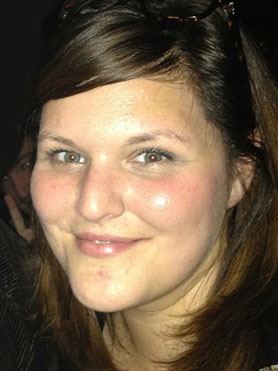
 I find myself feeling guilty the last few years on Mother’s Day. I wake up in the morning, typically sleeping in because my husband got up with Gracey. I enjoy the hand-made gift or the meal that was cooked in the kitchen by my daughter. I am offered to, “go get your nails done” or “go take a nap.’ In both circumstances I feel “mom guilt” that I should be playing with the kids, cleaning diapers, picking up small Barbie shoes or wiping off snotty noses. You can’t step away from motherhood. It is a full-time job, not like “40 hours a week”, but every minute of the day. It is something we find very hard to take a break from because when one child gives you a break, the other is tugging on your dress. My mother exemplifies this role of motherhood. Her phrase is often, “ATM: Any Time Mom.”
At the moment we give birth (or in my mom’s case, adopt) we instantly give up our life for another. Whether we realize it or not, our interests, our needs, our desires, are secondary. This is not a complaint, rather a challenge. I remember my mom telling me the story of my adoption. She had just won a seat on the school board in Rochester, MN. The social worker called my mom saying, “Congratulations, Vicky! You are going to be really busy!” My mother replied, “Oh yes, between work and this new role, I am sure it will be busy, but exciting!” The social worker replied, “No, I mean you are going to be really, really, busy Vicky. I have a child for you and Doug (my dad) to meet.” As soon as possible, my parents and I met for the first time. We all fell in love and just as quickly as a blink of the eye, my mom was willing to sacrifice her life for mine. She surrendered.
She was all in. My mom had an amazing career as a doctor, from residency at Mayo Clinic, to her oncology practice in Peoria, IL. She tirelessly worked for women in crisis. Breast cancer in the 80’s was often a death sentence, but she comforted and educated so that she could provide the best care possible. She assisted in creating the Heartland Clinic in Peoria, IL, which helps disadvantaged in the community receive quality healthcare. She led “Race for the Cure” and advocated in the legislature to have insurance companies cover mammograms. After all this hard work and accomplishment, by the time I entered school she decided to “retire early.” She attended school Masses, helped as a “room-mom,” joined the school board, lead the Girl Scouts Troop, and said “yes” to just about anything she could do to support my brother and I growing up. She modeled Mary, who is the ultimate role model for all of usmother or not. Mary saw it all. When invited, she surrendered.
Mary surrendered to motherhood in a way that is hard to imagine. Her surrender was rooted in God’s will. While she couldn’t know the details to come, she knew the profound, earth-shattering call that was now her responsibility- to nurture, love, support, teach, comfort, the Son of God. Whoa.
While we might think that raising Jesus was filled with peace and joy, it was not without turmoil. Think about the time He was lost as a teen, to her support of His ministry beginning at Cana, and the heartache of holding her battered, lifeless, beloved Son. She saw it all. She surrendered and endured it all with an unshakable faith. She is the perfect role model of a disciple who illuminates light and love. Her love transcends any anxiety, insecurity, or materialism…much like the love we receive from our mothers.
Each one of us is called to radical love. In the spirit of Mary, are we willing to radically surrender and love our brothers and sisters who may differ from us? Are we willing to surrender our will for God’s will?
On this Mother’s Day, I pray that you will know and feel the love that Mary has for you. If your mom is with us today, thank her. If your mom is among the angels, thank her. If you are without a mom, thank the one who nurtures you and supports you in your life, whoever that may be. We should all be grateful for the role Mary plays in our lives— a Mother who is nurturing, loving, supportive, and always a “ATM”- anytime mom!
Katie Price is the Coordinator for Stewardship at the Cathedral and works for the Diocese of Springfield, IL by helping parishes grow in discipleship and stewardship efforts.
 This weekend as we celebrate the third Sunday of Easter, we continue with the appearances of the risen Lord as recounted in John’s Gospel. This Sunday’s Gospel selection is packed with details, beginning by taking us to the shore of the Sea of Galilee where the disciples, who are out on the sea fishing, encounter once again the risen Jesus who is waiting for them on land. The Gospel implies that they do not recognize Jesus physically as his appearance has been glorified in the resurrection, but they do recognize him in faith due to their catch of fish having followed Jesus’s command to lower their nets.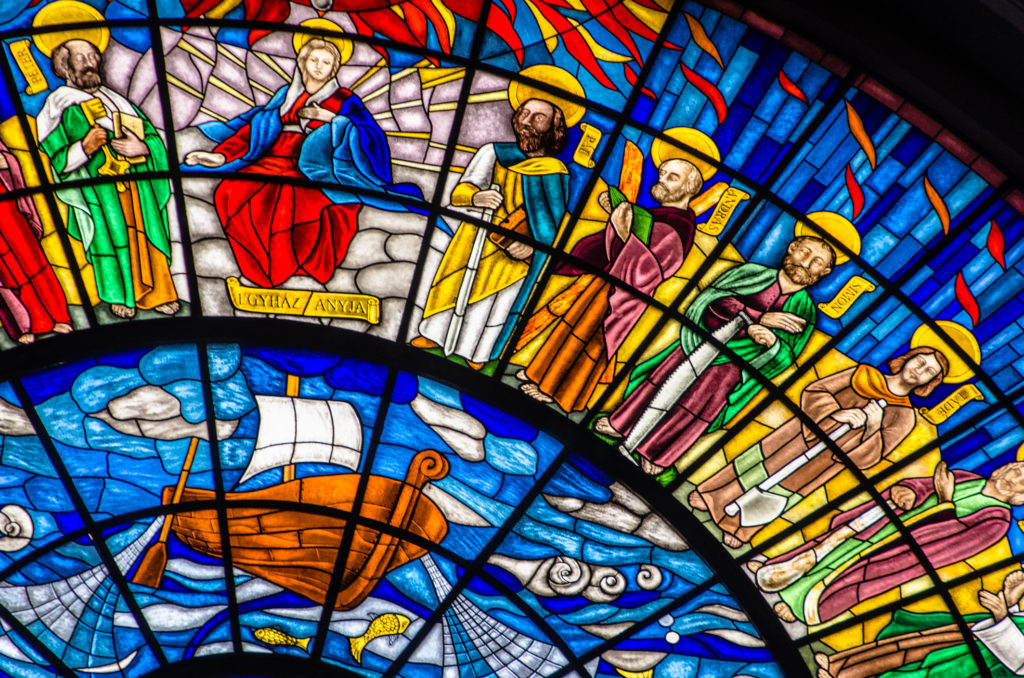
 [This article was originally published May 2, 2017, link below]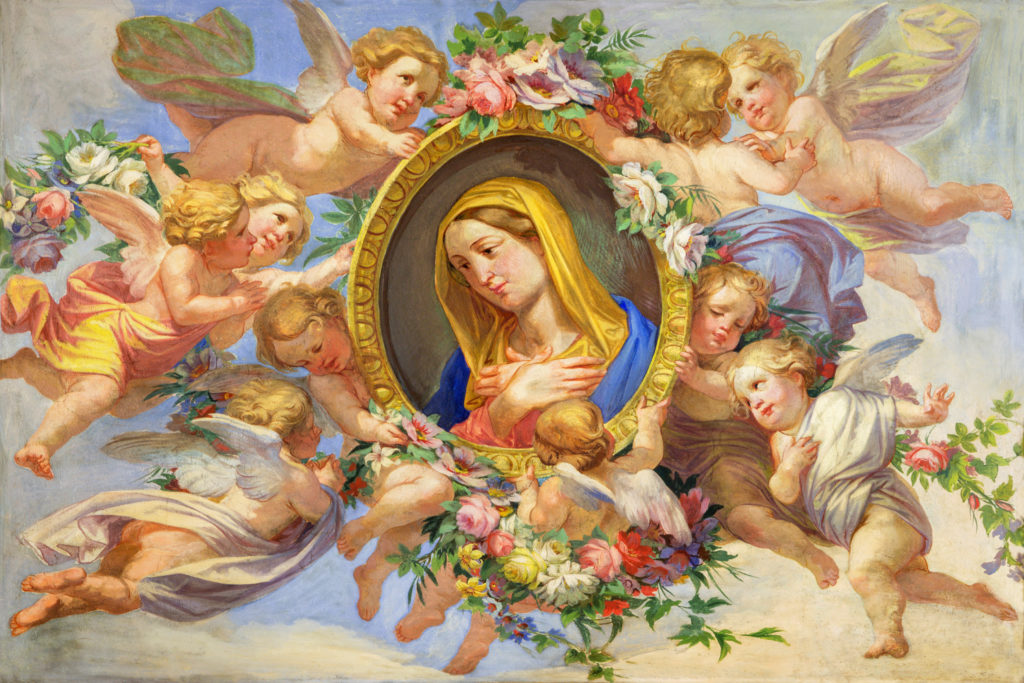

 While the Church focuses on the faithful departed in a special way in November, I am also especially mindful of those from our parish community who have gone before us in faith as we celebrate this season of the Resurrection. I would ask you to please remember Kathy Dhabalt in your prayers. Kathy is the mother of Vicki Compton who serves on our parish staff. Kathy’s funeral Mass was celebrated at Christ the King this past Tuesday. I would also ask you to please remember Jim Graham in your prayers. Jim’s funeral Mass was celebrated at Blessed Sacrament this past Thursday. He was the principal architect during the Cathedral’s restoration project back in 2008-2009 and his work here endures as a beautiful testament to the glory of God.
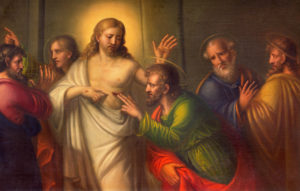 As we continue our journey through this Easter Season, let us turn to the risen Lord to draw newness of life from him, remembering that the wounds and the scars of our present lives, painful as they may be, are only things of the here and now; in the Resurrection on the last day, when Christ makes us new, those things will be no more.
 Recently, a death arose that brought me back to Brian Doyle’s bittersweet essay, Notes from a Wake. An Irish priest had passed. Amid photographs and a chalice, whiskey and a few fine cigars smoked “on a side porch under a cedar tree [by] a dozen men and two women,” family, friends and the faithful gathered. An old friend told stories of his youth. Younger folks sang – and debated the lyrics – of an old Irish song, St. Brendan’s Fair Isle. A tally was made of family baptisms, marriages and funerals performed by the deceased. Jokes were told. A slow jig was danced. Infants were up too late. Food was packaged up. And then it was done. It was perfect. That’s how I want to be remembered.
 I remember the first time I attended services at my church for the entire Triduum: Holy Thursday, Good Friday, and Easter. I was 10 years old, and my mother insisted that I go with her. I wasn’t happy with Mom at first, but I was asked to be part of the washing of feet at Mass on Thursday, and the experience blew me away. It seemed like such a beautiful, concrete, intimate act that Jesus shared with his disciples, and I felt so lucky that I got to be part of its depiction.
 Some people are called to be a good sailor. Some people have a calling to be a good tiller of the land. Some people are called to be a good friend. You have to be the best at whatever you are called at. Whatever you do. It’s about confidence, not arrogance. — Bob Dylan
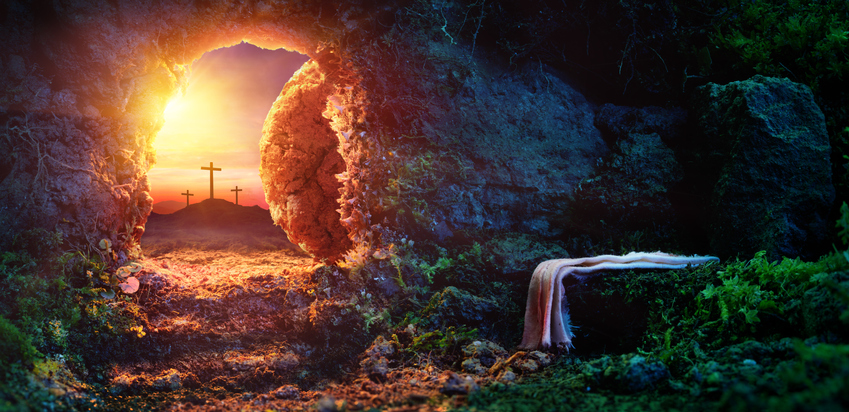
 For Many, the season of lent can serve as a time of renewed dedication to living the Christian faith. We adopt forms of prayer, fasting and almsgiving in order to help us live that Lenten call to “repent and believe in the Gospel”. Now that we have reached Easter and Lent is over it might be our experience that any bad habits we avoided or good habits we formed during this Lenten period will begin to fade. However, it does not have to be the case.
 The Easter season is a special time of celebration in our for the Lord is RISEN. What better way can we celebrate the resurrection of Jesus Christ than by continuing to seek ways to pray, offer sacrifices and help others? Of course, the Easter season is not a time for fasting or penances but it is also possible for us to serve others and spend time in prayer as a way of celebrating and bringing glory to God. The resurrection of our Lord has changed the entire world and we can continue to spread that message of hope and life by carrying our Lenten dedication to the Gospel forward through the Easter Season and for the rest of our lives.