 It is now the quiet time… The Triduum services are completed. The Easter Vigil (the “mother” of all vigils) has been concluded for another year — to varying degrees of l i turgical success in each individual parish, I am sure. The crowds that seem to magically appear and arrive for Easter Sunday Mass have come and gone. Candidates and catechumens have been received into the Church. Easter egg hunts are wrapped up as well as family Easter gatherings. Now what?
Is Easter Sunday to now be shelved away as a nice memory testified to by photos posted on Facebook? An opportunity for people to dress up and have good family time? Does the message of Easter end with the last Easter Sunday Mass? Liturgically, the Church says “no.” We have the Easter Season — a needed time to reflect on the truth of the resurrection and to look to the coming of the Holy Spirit at Pentecost. “Liturgical” here is important and it does certainly influence who we are but here I am specifically wondering about our day-to-day life outside the parish walls. Does Easter affect and shape who we are or does it remain a beautiful annual ritual that is left behind in the crowded Easter Sunday church parking lot? Do we take Easter with us into the streets of our lives and of our world or do we keep it hidden away behind locked doors — doors of a private faith, spirituality and morality, doors of our resignations and sense of hopelessness in the face of the pain of our world, doors of our fear to offend the accepted norm?
Easter cannot stay hidden away. Easter demands that we go into the streets – no matter how uncomfortable it makes us or others.
In Matthew’s account of the resurrection there is an interesting instruction that is given to the women who came to the tomb early that morning by the angel sitting on top of the rolled-away, heavy stone that had been used to seal the tomb. “…go quickly and tell his disciples that he has risen from the dead, and behold, he is going before you to Galilee; there you will see him.” (Mt. 28:7)
The resurrected Lord does not fear the world and its violence and sad resignation because he has overcome all the sin of the world through the love of the Father. The resurrected Lord goes before you to Galilee. He goes into the streets of the world and the expectation and instruction given by the angel of the resurrection is that the followers of Christ do the same!
Easter, if it is to be authentic and be more than a nice memory, cannot stay hidden behind any locked door and neither will it allow us to remain hidden.

There is a culture of fear that continually whispers to us that nothing can change, that we cannot really do anything in the face of the injustice of our world, that we should look upon ourselves and our world with hopeless eyes. The culture of fear is arrogant in its pride and thinks that it alone has words to speak. The culture of fear lies. The culture of fear would convince us that we are its children.
We are not children of the culture of fear. We are children of the resurrection! We are sons and daughters of God! We have nothing to fear and we have words, new words to speak to our world and to one another! The angel announces that the risen Lord is going to Galilee and that there the disciples will see him. The implication is more than apparent, the disciples are meant to go and meet the Lord who goes ahead of them. (The Lord always goes ahead of us.) They are meant to go out into the street and carry the truth of the resurrection into the world!
It is not enough to stay behind locked doors, no matter how pretty and gilded those doors may be and no matter how many other people may also be content to remain there also. If we do so then the culture of fear wins and our lives become exceedingly small, constrained and lifedenying. Joy is found only in following the risen Lord to wherever he might lead.
One further thought: there is no time to waste.
The angel instructs the women: go quickly. We are each allotted only a certain number of Easters in our lives here on earth. There is no time to lose, both for the work needing to be done in our own hearts as well as the work needing to be done in our world. In the light of the resurrection we must make use of every moment given to us. When all is said and done, we will each have to give an accounting of how we have lived the Easters we have been given in our lifetime.
We are sons and daughters of the resurrection of our Lord! The Easter mystery is placed in our hearts and entrusted to us and it cannot remain behind locked doors, it demands to be taken out to the streets of our world!
Fr. Michael Cummins is a priest of the Diocese of Knoxville, TN. Ordained in 1995, he has served in a variety of roles within his diocese. Fr. Cummins holds a Masters of Divinity and Licentiate in Sacred Theology from the University of St. Mary of the Lake (Mundelein Seminary) in Chicago.
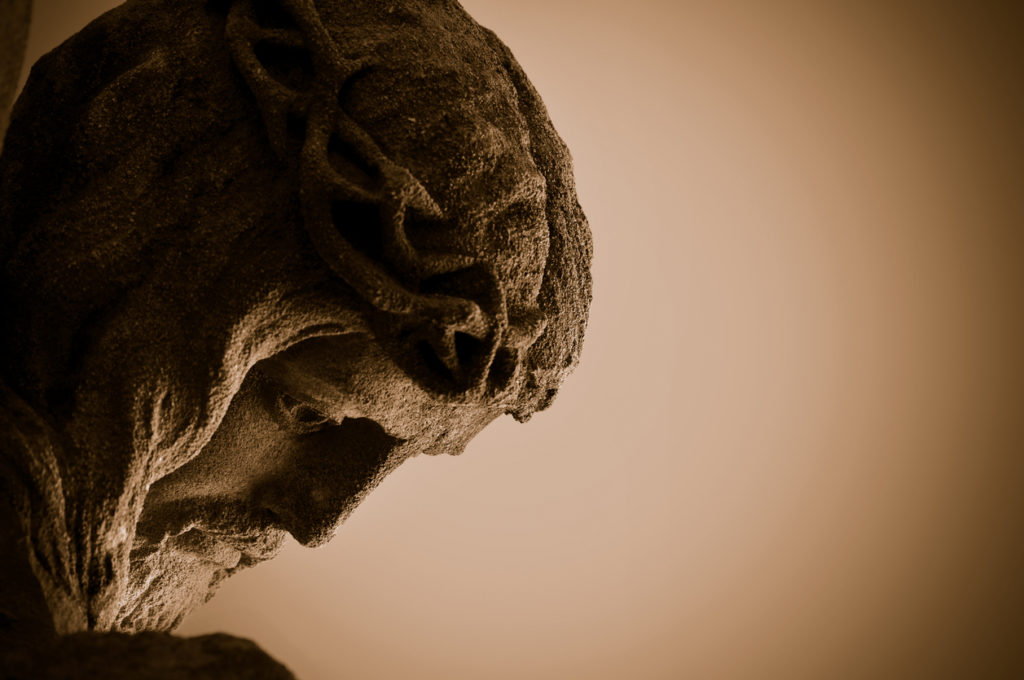
 What a couple of days it must have been. It all started with a quick betrayal and a speedy trial. The crowds that yelled “Hosanna” w e r e r e p l a c e d b y a mo b screaming “crucify him!” His friends were gone. His disciples were scattered. Apart from a few who loved him and followed at a distance, he was alone and void of comfort and consolation. He was given a reed for a scepter and thorns for a crown. Draped in what would likely have been a rough purple cloak on his raw skin torn by scourging, he was commanded to ascend the throne of the cross and condemned to die the death of a sinner, all sinners, though he himself did not know sin, all this to fulfill the words of the Prophet Isaiah: he was pierced for our offenses, crushed for our sins; upon him was the chastisement that makes us whole, by his stripes we were healed. We had all gone astray like sheep, each following his own way; but the LORD laid upon him the guilt of us all.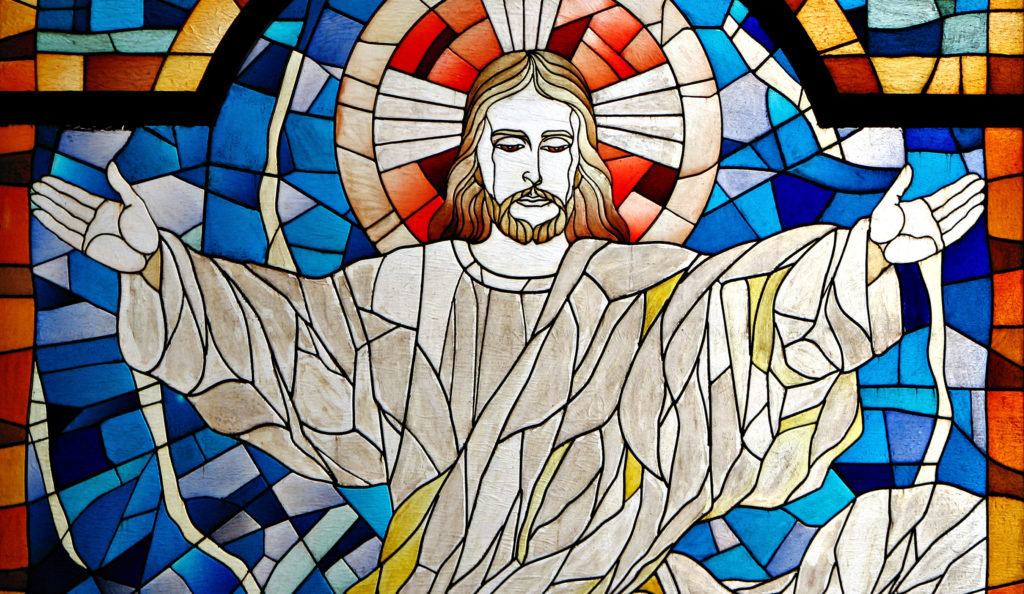

 In one of the most shocking passages of the Gospels, Matthew 5:20-26, Jesus describes the righteousness one needs in order to reach the kingdom of heaven, noting that it must surpass that of the scribes and Pharisees. He discusses the relationship one should have with one’s brother, saying that there is much more to it than simply observing the Old Testament commandment not to kill. It is wrong even to be angry with one’s brother or to call him a fool. Furthermore, Jesus advises us that if we are not at peace with our brother, we should make peace with him before offering gifts to God.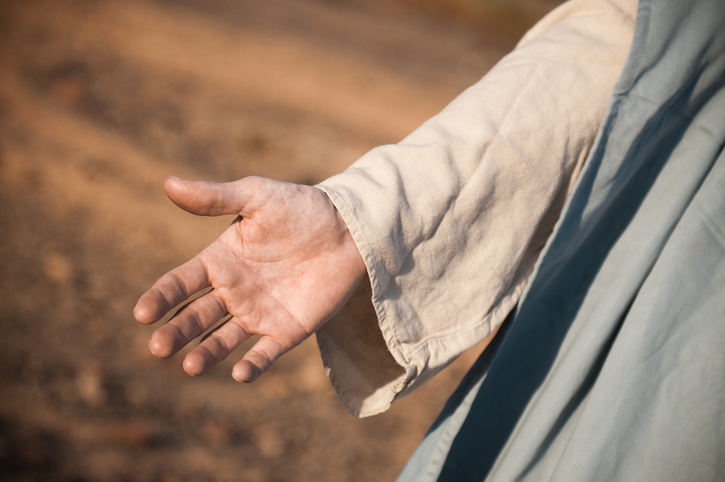

 In 1927, G.K. Chesterton penned an essay (h/t Fr. James Schall) for the Illustrated London News titled “Shakespeare and the Dark Lady.” An august scholar, the Comtesse de Chambrun, had written a heady, though insightful, book about William Shakespeare as an actor-poet. After considering her worthy contributions to the bottomless scholarly repository about Shakespeare, Chesterton admitted, “[This book] seems to me both fascinating and convincing. I hasten to say that the lady is very learned and I am very ignorant. I do not profess to know much about Shakespeare, outside such superficial trifling as the reading of his literary works.”


 The somewhat questionable consequences of smartphones, social media, and the many other technologies of their ilk have been well documented. A Psychology Today article, “How Technology is Changing the Way Children Think and Focus,” for example, had this to say about the societal effect of recent technologies: “Frequent exposure by so-called digital natives to technology is actually wiring their brain in ways very different than in previous generations.” Terms like “digital natives” and “wiring their brain” can sound vaguely ominous, maybe even apocalyptic. Of course, we could have said something similar about the baby boomers and the advent of their surrogate babysitters: television sets. And to be fair, such recent technologies also offer a lot of in the way of good for our world. Like most things in life, there are “pros” and “cons.”