 The winds of the last Sunday in October took many leaves with them but the colors of the season are still in full bloom. The beauty of creation in autumn is also a harbinger of the coming of winter when much of creation will enter into its deep sleep. While the winter may be cold and dark, we know that light and warmth will return again as springtime will call creation back into new life, yet we still must face the winter. The same is true in our lives that this earthly life must come to an end. As we begin the month of November, the month of All Souls, it is good for us to be reminded of what the Church terms the Four Last Things: death, judgement, hell, and heaven.
They say that there are two unavoidable realities in life: death and taxes. That statement is only half true. You can avoid taxes, I don’t advise it, but people do try and some are successful. Some people try to avoid death but no one has succeeded there. Life is the time and opportunity for us to accept God’s grace and to cooperate with it. While death is perceived as the natural course of life, death is also understood from a religious perspective as an aberration, as a consequence of sin, that was not made nor intended by God (see Wisdom 1:13 & 2:24). A disciple should be able to see a distinction between death and Christian death. For the faithful Christian death has been transformed into nothing more than a doorway to a new and greater life with God in Christ.
This year on the Solemnity of Christ the King (two weeks from now) we will hear the Gospel of the Last Judgment proclaimed to us at Mass. While the Scriptures speak of this general judgment the Church also speaks of particular judgment that all of us will face at the moment of death. Our own innate sense of justice moves us to believe that there must be some final reckoning concerning what good, or lack thereof, that we did in our earthly life. This judgement is not so much about God rendering a decision regarding us but rather fulfilling the choice we made by how we lived, as St. Paul teaches us “for we must all appear before the judgment seat of Christ, so that each one may receive recompense, according to what he did in the body, whether good or evil” (2 Cor 5: 10). From this judgment, we then enter into one of two destinies: eternal life or eternal damnation.
For those who live and die in God’s friendship, they can be assured of everlasting life with him in heaven. This eternal destiny may be entered into immediately for those who die without any attachment to sin or after a period of purification for those who die, not in mortal sin, but with an attachment to venial sin. This process of purging is known as purgatory. Every soul in purgatory is destined for union with God in heaven. The pain of purgatory is not an intentional punishment inflicted by God but rather it is the result of the pain of separation experienced by the soul until it achieves perfect union with God.
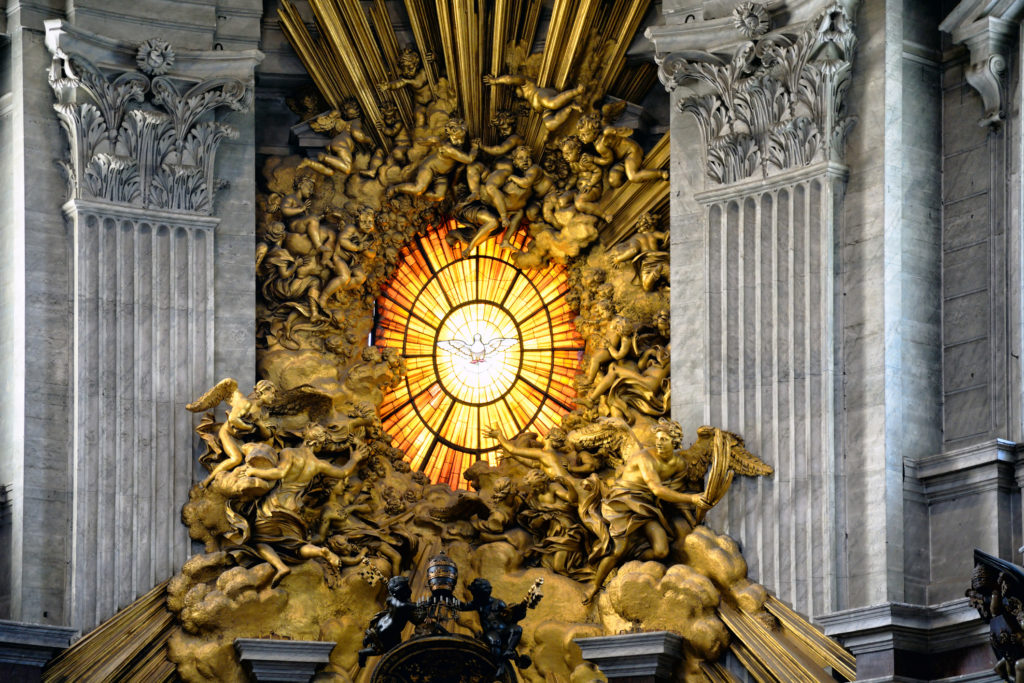
For those who die in a state of mortal sin, having made a clear, manifested choice against God, the Church teaches that those souls suffer the eternal torments of hell. The suffering of hell is not one of fire and brimstone, but one of complete and everlasting separation from God with full knowledge of what has been lost. The Church teaches that hell does indeed exist and the Lord Jesus warns us of it in the Scriptures. While the Church affirms hell’s existence, she does not formally teach that anyone is there except the devil and his fallen angels.
Death and judgment are realities that all of us must one day face, but for those who strive daily to live in God’s friendship, sinners though we are, we have nothing to fear for we have a loving and merciful God. Let us keep our hearts open to that love and mercy every day. If you would like to learn more about the Four Last Things, I invite you to two upcoming faith formation sessions on the subject with Fr. Stock on November 19th and 26th at 7PM in the Cathedral Atrium.
Father Christopher House is the Rector of the Cathedral and serves in various leadership roles within the diocesan curia, namely Chancellor and Vicar Judicial.
 Christ has no body but yours,
 I recently went on a four-day silent retreat at a local abbey. My friend made me promise her that I would sing “Climb Every Mountain” on a hill. I did not. Not because I didn’t want to, but because I couldn’t. It was a silent retreat. Also, the hillside terrain was rocky and cliffy, less for twirling in delight and more for falling to imminent death.
 and thus left Jesus.
 I do not recall hearing about stewardship when I was growing up in the Church. In fact, it has been only in the past few years that I have noticed that word being used in conversations about faith and discipleship. But as I came to understand more about living as a Christian steward, I realized that I had been taught about stewardship years ago from the masters of grateful response.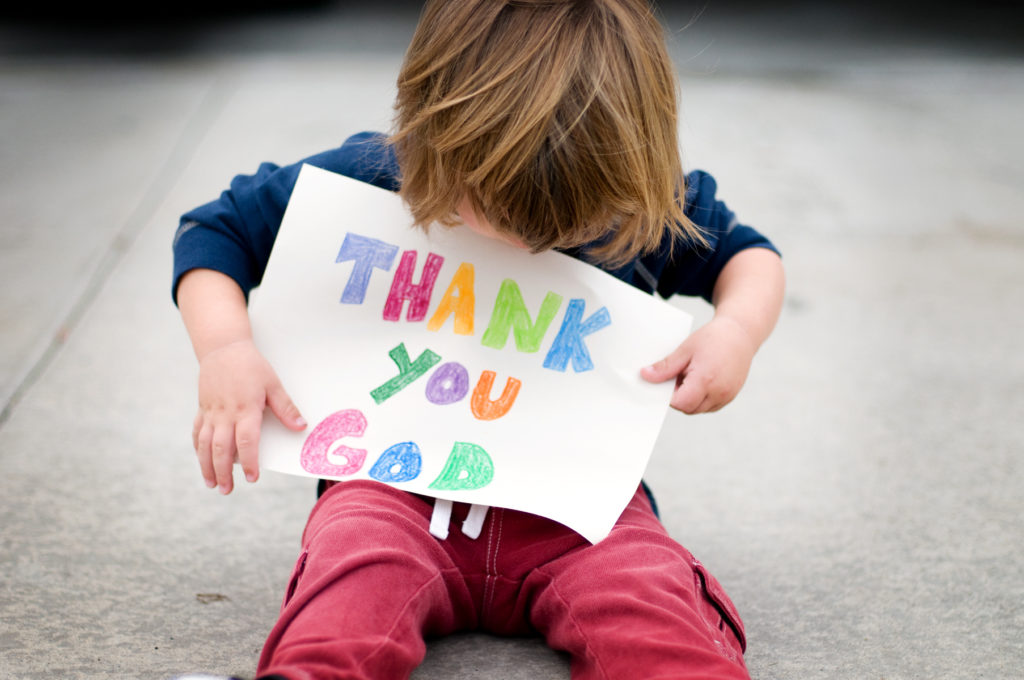
 This past Father’s Day began with my youngest son asking me for money. As the day went by, he continued to ask me for things. It was actually quite humorous as it was supposed to be my day and I hadn’t asked him for one thing. It was all about what he wanted. Finally, after his latest request, I responded, “It’s Father’s Day! What I want from you is a day where you don’t ask me for anything.” I would have to say that he does not constantly ask me for things all the time and he is a good kid, but this day he did have me reflecting on how much a child asks from a parent.
 We ask quite a lot from our Heavenly Father as well. I don’t think He begrudges us anything due to all our requests. However, like any human parent would, I think God would love it when He asks something of us that we can respond with a “yes.” We like to do all the asking, but too often we are not very responsive when we are being asked. It is an important aspect to reflect on in any relationship. If you seek to receive more than you are willing to give, what kind of lopsided relationship is that? God doesn’t want that type of relationship. Any father wants to give his son or daughter anything they ask for within reason, but offering the same back is what a real relationship is all about.