 I have often referred to the older woman who lived across the street when I was growing up. She was a gentle soul named Pani. It was only until many years later that I learned that “Pani” really meant “Mrs. or Miss” in Polish! She would often speak of her life during the depression in Poland and of course, her experience of WWII. She and her husband had just gotten married when they both were carried off to different concentration camps. Neither knew the fate of the other for well over a year and she would speak of these days with great emotion and pain. I had no words and could only intently listen. I asked her what is was like to be separated for so long and she labored to communicate, in broken English, her feelings of loss, anxiety, fear and uncertainty. She waited, hoped and put her trust in God. Much to each of their surprise, an amazing, emotional, and triumphant reunion took place one day and they both realized that their fears and worries had no merit and they could be together again. It did not matter that all their physical possessions were gone; they had each other.

I asked her one day what became of the love she had for her husband during that time away and how it could be sustained. She remarked, without missing a step that it continued to grow and strengthen in her heart and soul. His love was alive in her and hers in him. They were never really apart. When they saw each other again it was as if time never passed and they continued on. The time of separation strengthened their love in so many ways. They were strengthened and given a strong resilience towards life’s disappointments and hurts. All this made their life together even more special. They appreciated each other all the more.
Many have been away from the Eucharist, the very Body and Blood of Christ, for a long time. Due to a dangerous pandemic, we were quickly separated from the physical reception of this eternal source and Presence of Love Incarnate, inspiration, and strength. As church teaching reminds us, as efficacious, beautiful, and grace filled the sacraments are, God is not bound by them. He always finds a way. Even through the pain of physical separation from the Body of Christ, the very Presence of God stirs and works in each member of the Body of Christ so that the Divine Image can still be revealed, and we can become precisely what we are meant to eat. The love relationship fostered with God cannot be taken or diminished in one who truly desires it and believes.
The community of believers receives through the gift of the Eucharist the power and the presence to touch and heal in the name of the One they desire to welcome within. So many wonderful Eucharistic blessings have taken place over the last several weeks. Families have been brought closer together, the hectic and frenzied pace of life has been put on hold for a bit, deeper conversations with those who matter the most have occurred, generosity toward those who are struggling, poor, and bearing the brunt of the pandemic’s economic fallout is being demonstrated, our dependence upon God is being realized, our need for community, social interaction and support confirmed, the earth is healing a bit, our call to solidarity is being realized and the list goes on and on in terms of how, even in spite of the absence of the physical reception of the Eucharist, God is inspiring, working, transforming, forming, and redeeming the world piece by piece. All these things and more bring hope to those who can easily fall into despair. They are lights in the midst of darkness.
Nothing can stop grace. But we also realize that separation, while bearable for a time cannot be allowed to last forever. We must connect again. My friend Pani needed to physically embrace her husband again in order for their love to continue to grow more deeply. We need to embrace the Eucharistic presence of God and our community of faith again in order to fully be who we are called to be. The sacred Eucharistic meal is a celebration of intimacy, the reunion of two loves in constant search of and longing for the other. What wonderful reunions are happening all over the world!
It is now within our grasp, especially after the experience we have endured and continue to endure, to change the way life is lived and to more intentionally put into practice the Beatitudes the Divine Guest has revealed. We are asked to be like Christ and work to create a world of sufficiency, not deficiency, where no longer does the greed of some create the want of others but where all of God’s children can find a home and a place at the table of life. The One who makes a home within calls us to live a life that transforms! It is time, more than ever, to allow the Eucharistic Presence of Christ to change us so that we can become real agents of change for others. People, our environment, and economic systems are hurting. We have to set our relationships with all things straight and allow justice, equity, peace, sustainability, accountability, and mercy order all things. This is the Eucharistic way.
If we see our relationship with the Body and Blood of Christ simply as something necessary for our personal salvation, then we are wrong. It is never just about me and what I think I need, want, and merit. If we really recognize Jesus in the Breaking of the Bread then we will also recognize him in the poor, the outcast, and all who cry out for healing and wholeness. What we do for them we do for Christ. The very presence of God touches the depths of the human soul and visits a part of us that no human being can ever hope to explore. We are God’s. It is out of that relationship that we live our life. It is to God that we have allegiance.
Throughout history we have hurt so many people in the name of progress. Throughout history we have trampled upon our environment in the pursuit of wealth and power. Throughout history we have done everything possible to live our lives without God. Throughout history we have forced so many people to conform to a certain way of thinking and persecuted them because they looked and believed differently than us. Have we learned any lessons during our time away? If so, then the reunions with the physical Presence of Christ that are happening all over the world ought to set all of us on fire with the transforming Presence and love of the Holy Spirit! In how we order our lives, set up our priorities, interact in the world, speak to others, and advocate to accomplish, what will people see? It is hoped that they see people who believe what they believe not simply for their own merit but because they truly desire to become the One they receive!
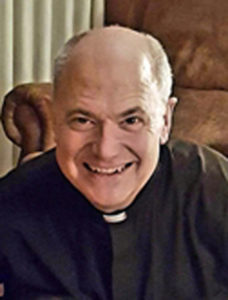
Fr. Mark Suslenko is Pastor of the Community of Ss. Isidore and Maria in Glastonbury, CT. Fr. Suslenko publishes reflection articles regularly to his parish’s blog.
 I meet tens of thousands of people a year at different events. Most of them are Catholic Christians who want to start reading the Bible but don’t know where to start.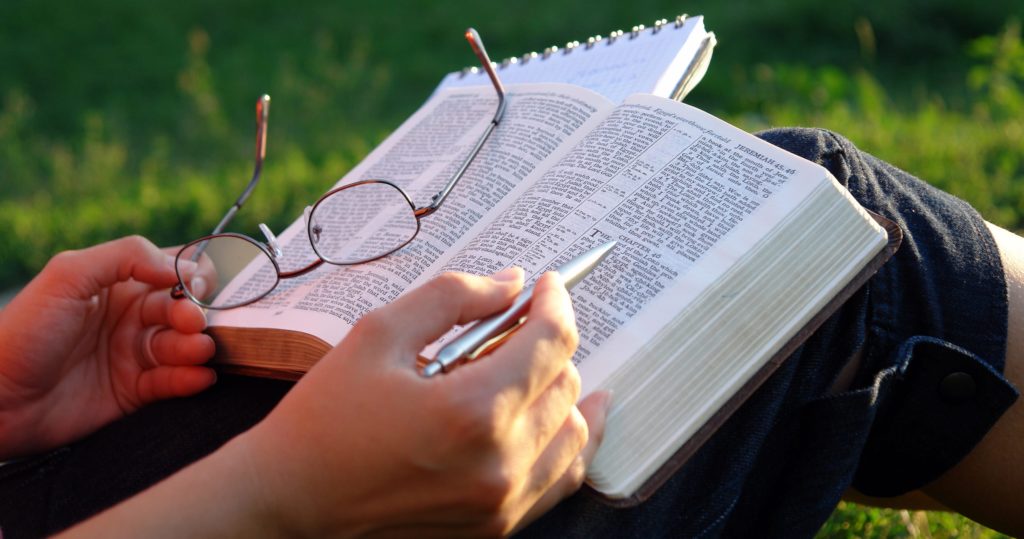

 We were created for community. Human beings are not meant to be alone. As each of us grows in our relationship with Jesus, we find ourselves drawn further into community. Our stewardship never reflects just on us, but on the Body of Christ to which we belong.
 Following the Lord’s Ascension into heaven, the Apostles were gathered once again in the Upper Room where the Lord had instituted both the Eucharist and the Priesthood at the Last Supper. It was also the place where He first appeared to them following the Resurrection. Tradition tells us that the Apostles were not alone on this particular day and that Mary, the Mother of the Lord, was with them. Jerusalem was filled with Jews who had come to the holy city for the feast of Pentecost, a feast celebrating the wheat harvest that was celebrated seven weeks and one day (50 days) following Passover. That particular day was a day that would forever change the face of the earth.