Cathedral of the Immaculate Conception

Springfield, IL

  • About
    • Contact Us
    • History of the Cathedral
    • Liturgical Schedules
    • Parish Staff
    • Register with Cathedral
    • Subscribe to the Cathedral eWeekly
  • Sacraments
    • Baptism
    • Becoming Catholic
    • Matrimony
    • Vocations
  • Ministry List
    • Adult Faith Formation
    • Cathedral Meal Train
    • Cathedral Online Prayer Wall
    • Cathedral Concerts
    • Family of Faith
    • Grief Share
    • Health and Wellness
    • Spiritual Resources
  • Stewardship
    • Stewardship: A Disciple’s Response
    • Stewardship Form
  • Support
    • E-Giving Frequently Asked Questions
    • Give Online
  • Sunday News
    • Announcements
    • Cathedral Weekly
    • Livestream Feed
    • Submit a Mass Intention Request
    • Weekly or Announcement Submission

Keeping a Holy Lent

The season of Lent begins this year on Ash Wednesday, February 26th, and ends prior to the Mass of the Lord’s Supper on Holy Thursday, April 9th, when the Easter Triduum begins. Lent is the principal penitential season of the Church year. All the Christian faithful are urged to develop and maintain a voluntary program of self-denial (in addition to the Lenten regulations which follow), serious prayer (addition of daily Mass when and if possible, Scripture reading, Stations of the Cross, and receiving the Sacrament of Reconciliation, etc.), and the performing of deeds of charity and mercy, including the giving of alms (increased attention to the needs of our brothers and sisters).

Lenten Regulations
Catholics who have celebrated their 14th birthday are bound to abstain from meat on Ash Wednesday, each Friday in Lent, and on Good Friday. Catholics who have celebrated their 18th birthday, in addition to abstaining from meat, should fast, i.e., eat only one full meal on Ash Wednesday and Good Friday. Small quantities of food may be taken at two other meals but no food should be consumed at any other time during those two days. Liquids do not break the fast and nourishment needed for special needs (such as illness or pregnancy) should always be taken. The obligation of fasting ceases with the celebration of one’s 59th birthday.

Lenten Prayer
Mass Schedule
The Weekday Mass schedule during Lent is as follows:
Monday through Friday – 7:00am, 12:05pm, and 5:15pm; Saturday – 8:00am

Sunday Mass times during Lent are as follows:
Saturdays – 4:00pm; Sundays – 7:00am, 10:00am, and 5:00pm

Reconciliation
The sacrament of Reconciliation is offered daily in the Cathedral church:
Monday through Friday – 4:15pm to 5:00pm
Saturdays – 9:00am to 10:00am and 2:30pm to 3:30pm
Sundays – 4:00pm to 4:45pm

Stations of the Cross
Take the time to walk the Stations of the Cross, the final steps Jesus took to Calvary, each Friday during Lent immediately following the 5:15pm Mass

Lenten Almsgiving Collections
In following our past practice of almsgiving during Lent, a second collection will be taken up each Sunday. Collections this year will be as follows: Ash Wednesday, February 26th – Church in Eastern Europe; March 1st – St. Martin de Porres Center; March 8th – Catholic Charities; March 15th – Helping Hands of Springfield; March 22nd – Catholic Relief Services; March 29th – The Pregnancy Care Center; April 5th – Cathedral Parish Student Assistance for Catholic Education

Easter Triduum Schedule
Holy Thursday Mass of the Lord’s Supper – 6:30pm
The Liturgy of the Lord’s Passion on Good Friday – 3:00pm
The Easter Vigil on Holy Saturday Night – 8:00pm
Easter Sunday Masses – 7:00am and 10:00am

Stations of the Cross will also be held at 12:05pm on Good Friday, and the sacrament of Reconciliation will be offered after the 3:00pm Liturgy of the Lord’s Passion on Good Friday.

More Lenten resources can be found throughout this issue of the Weekly, as well as on the inserts provided. Please continue to watch the Cathedral Weekly and Cathedral website (www.spicathedral.org) throughout this Lenten season for additional resources.

25 Great Things You Can Do for Lent

Ash Wednesday marks the beginning of Lent, the 40 days of preparation for the Easter season when Christians are called to deepen their spiritual lives through the practices of fasting, prayer, and almsgiving. The belief is that our consistent participation in these practices — like exercise we do for our physical health — improves our spiritual well-being by stripping away all that is unnecessary and becoming more mindful of how God is working in our lives. Challenge yourself this year, and go beyond the usual practice of “giving up” something. Now is a great time to take stock of your spiritual life and to grow in it. Not sure where to start? Check out these 25 ideas:

  1. Make a commitment to read the Sunday scriptures before you go to Mass. In the same way that reading up on football players, opposing teams, and coaching strategies will help you experience a game more fully, familiarizing yourself with the readings ahead of time will help you experience them in a deeper way on Sunday.
  2. Use Busted Halo’s Lent Calendar, filled with Lenten-themed Daily Jolts and MicroChallenges to find new ways to practice the disciplines of fasting, prayer, and almsgiving. Each day of Lent, we’ll offer an inspirational quote paired with a practical, challenging task that you can do that day to help keep your spiritual life on point. You can also find these challenges on our website, or when you follow us on Facebook or Twitter.
  3. Try a new spiritual practice. Sign up for an hour of Eucharistic Adoration. Attend Mass at a parish that’s made up of people from a different racial/ethnic group. Sign up for a silent retreat or spend at least one hour in silent meditation each weekend.
  4. Think about what you usually spend your money on. Do you buy too many clothes? Spend too much on dinner out? Pick one type of expenditure that you’ll “fast” from during Lent, and then give the money you would usually spend to a local charity.
  5. Take something on — 40 days of letter writing, 40 acts of kindness, 40 phone calls to the important people in your life.
  6. When you first sit down in front of your computer at work, or at the very end of your workday, try a 10-minute guided prayer from Sacred Space based on the spiritual exercises of St. Ignatius.
  7. Go to a weekday Mass one day during the week. Many parishes offer them early in the morning, at noon, or after work. Daily Masses are often more intimate and shorter than Sunday Mass.
  8. If you don’t have a cross in your apartment or house, buy a simple one and put it in your bedroom.
  9. Use Busted Halo’s InstaLent Photo Challenge for daily, creative doses of Lenten spirituality. Post a photo each day and encounter the themes of Lent on a visual, personal level.
  10. Instead of turning on a streaming service for your next bingewatching session, read the entire Gospel of Mark in one sitting. As the shortest Gospel, it is the most concise story of Jesus’ life, and the cross, a central Lenten symbol, plays an even more prominent role than in the other Gospels.
  11. Attend the Stations of the Cross somewhere. Many parishes offer these during Lent and often on Fridays. Or check out Busted Halo’s Virtual Stations of the Cross.
  12. Get some friends together and attend a Friday fish fry at a local parish. It’s not the healthiest thing in the world, but a fun Catholic tradition to help you abstain from eating meat on Fridays during Lent.
  13. Unplug from your iPhone or turn off your car radio on your commute. The silence may be jarring at first, but you may find that you are able to concentrate better and will be more observant of your surroundings.
  14. Buy a book of daily reflections and keep it by your bed. Local parishes often offer these for purchase during Lent, and there are some good ones available online. Try the Magnificat or a book by Edward Hays.
  15. Think about a habit that has kept you from being whom God is calling you to be. Consciously give up that habit for Lent.
  16. Spend at least one weekend or evening volunteering during Lent. Serve a meal at your local soup kitchen. Visit the elderly. Stock shelves at a food pantry.
  17. Make a commitment to fast from insensitive, cruel comments about others. So, no gossiping or going down the Twitter rabbit hole.
  18. Participate in a spiritual book club or small community of faith. Check out what’s already going on at your parish or pick a book and start your own.
  19. As a part of your Lenten almsgiving, make a point to learn more about a particular social issue (immigration, human trafficking, racism, the environment, public education, child poverty). Give money to an organization related to your chosen issue that supports the dignity of the human person.
  20. Tap into your creative side and try using coloring as a way to pray and meditate during Lent. Buy a coloring book or download a Lent calendar coloring page.
  21. Use the Catholic Relief Services Rice Bowl to reflect on the realities of people in need around the world and devote prayers, fasting, and almsgiving to changing the lives of the poor. The money raised by CRS Rice Bowl supports not only the prevention of hunger and poverty in countries like Kenya, Vietnam, and Honduras, but also in the United States. (Twentyfive percent of all donations stay in the local diocese where they are collected.) For your Lenten Fridays, CRS Rice Bowl also features meatless recipes from cultures around the world.
  22. Pray for somebody. As you’re walking the streets, driving the highways, or sitting in your cubicle at work, pick out a person who appears to be in need and pray for that person. Be mindful of the words of philosopher Philo of Alexandria, who said, “Be kind, for everyone you meet is fighting a great battle.”
  23. Get to know your neighbors. Introduce yourself, plan a dinner, or bring food to an older person on your block.
  24. Read the Works of Mercy as Jesus describes them in Matthew 25:31-46. Then put this teaching into practice and choose an act of service you can perform throughout Lent.
  25. Celebrate the Sacrament of Reconciliation. Can’t remember how? Tell the priest it’s been a while, and ask him to guide you through it.

Renée LaReau is a senior writer at the University of Notre Dame’s Keough School of Global Affairs. She lives with her family in South Bend, Indiana.

Hospitality – A Powerful Charism of Healing

The charism of hospitality empowers a Christian to be a generous channel of God’s love by warmly welcoming and caring for those in need of food, shelter, and friendship.

Since the days of Abraham, hospitality has been a sacred responsibility for the people of God. Care for the widow, the orphan, and the stranger were central to Israel’s covenant with God. And Jesus said that caring for others was caring for him. So all Christians have a role in welcoming and caring for others. But those with the charism of hospitality are empowered in a special way to notice the presence of newcomers. Guests, both family and strangers, are frequently welcomed into their homes. Their concern is not for the tidiness of their house, or the perfection of the meal, but for the comfort and nurture of their guests.

The exercise of hospitality is not limited to a person’s home. Hospitality is an essential tool for an evangelizing parish. Having parishioners with the charism of hospitality actively using this gift makes the parish a place where people experience God’s love in extraordinary ways. Visitors come to the Cathedral because of its beauty, or convenience, or because they have heard good things about us, but they will return again and again if they experience a warm and loving community.

Christians with the charism of hospitality seem to always notice newcomers and seek them out to make them feel welcome, have a strong sense of God when welcoming someone into their home or community, and feel frustrated when strangers are ignored and not made to feel part of the community. They have an amazing ability to create a warm and welcoming environment in which a person’s needs for physical nurture and personal and spiritual companionship are met.

If this describes you, you may have been specially empowered to be a channel of God’s love and mercy through the gift of hospitality. This gift can and should be used in all aspects of your life. Because we welcome so many visitors to the Cathedral, we need all parishioners to be ministers of hospitality. But if you think you have been gifted with the charism of hospitality we need you in specific ways – you would make an exceptional greeter, Alpha team member, or small group leader. Let us know if the idea in serving in those capacities is energizing and exciting. There are people just waiting for the exercise of your gift!

Vicki Compton is the Coordinator of Faith Formation and Mission at the Cathedral of the Immaculate Conception in Springfield, Illinois.

Live a Life of Mercy

Recently, I posted a controversial article on social media, and not surprisingly, I was met with a slew of responses from friends describing ways they either agreed or disagreed with me. It was like a lot of social media debates — one sided, heated, and in the end, somewhat pointless. As I reflected, I wondered if my posting was necessary much less virtuous. Had I accomplished what I set out to do? Did I change anyone’s mind, or did I stir up discord in friends who normally interact in unity? Was my posting helping further the kingdom of God on earth, or did I compete against that goal?

As I ponder the readings for this weekend’s Mass, I find my answer. The theme of holiness is pervasive in each reading, but looking deeper, the theme of mercy shines even more. Indeed, all of Christ’s followers are called to be as holy as he is. But more than that, the holiness we are called to is only made possible by his unending mercy, as the psalmist rightly proclaims: “As far as the east is from the west, so far has he put our transgressions from us.” It simply isn’t enough to say we want to be like Christ. Instead, true disciples are called to be living witnesses of his love and mercy to all those they encounter — whether in person, online, or in passing.

The Rule of the Secular Franciscan Order shares that “… all people of good will, are called to build a more fraternal and evangelical world so that the kingdom of God may be brought about more effectively. Mindful that anyone ‘who follows Christ the perfect man, becomes more of a man [i.e., human] himself,’ let them exercise their responsibilities competently in the Christian spirit of service.”

To me, this rule exemplifies precisely how we are to heed the words of Jesus in the Gospel. He doesn’t call us to keep count, to hold on to grudges, or to constantly defend ourselves when wronged. When I posted the controversial article on social media, it was clear that everyone had an opinion to defend. Rather than helping build a more evangelical and fraternal world, the post became a space for “an eye for an eye and a tooth for a tooth,” only with words and intellectual arguments.

In the first reading, Moses is called by God to not only be holy, but to show no revenge. The antidote to the selfish desire for revenge is mercy. Even from the days of Moses, God has shown mercy is one of His greatest attributes. This mission of mercy is also given to all His followers.

The psalm continues with this theme as we sing of the Lord’s kindness and mercy. I often wonder if my social media activity is a reflection of God’s action or the opposite. I wonder if those who follow me could say my posts are “kind and merciful.” God reveals Himself as a just judge who speaks immutable truth, but this is not separate or isolated from His unending kindness and love toward humanity. If I don’t follow that same mission, I cannot say I’m truly Christian.

The final gut check for me is found in the words of St. Paul in the second reading as he reminds us that we are temples of the Holy Spirit. This means that even those who disagree with me bear the image of God. They should be treated accordingly, not with a tolerance that accepts sin, or with an avoidance of proclaiming the truth, but through actions and words that truly exemplify the love we have received from our Father. This is a love that calls us to conversion and holiness, but one that is kind and merciful.

So, in the end, I realized that posting the article didn’t help anyone see Christ better. Instead, it sowed a seed of division and discord. The readings this weekend urge us to live a life of mercy in order to be holy so we can be saints someday. A saint is one who sees the beatific vision. That vision needs to start on earth in how we treat those around us who are temples of the Holy Spirit, the same Holy Spirit with whom we want to spend eternity.

Angie Windnagle, BSC is an author for Liturgical Publications, Inc. and writes reflections on the Sunday readings.

Preparing for Lent

One week from this Wednesday, the Church will mark Ash Wednesday, the beginning of the holy season of Lent. Like many things in life, what you get out of Lent will depend on what you put into it and, with Lent, attitude is everything.

Lent is a great love story, though it may not seem so at first glance. If we first focus on sacrifice, self-denial, and penance (the what) without understanding why, then we will be placing our focus in the wrong area. Lent is a great love story because it is about our God who has a love for us that is unbreakable, unrelenting, and inexhaustible, even though we are guilty of rejecting His love time and time again. The selections that the Church gives us from the Scriptures demonstrate this. We are reminded that God has chosen us to be His own and that He has done this is a wonderful way in His only Son through baptism. Through sin, we have squandered the grace that God has given us through this sacrament, but Lent is about the Lord’s call to return to that grace again. This call to return is what the first part of the season speaks to, from Ash Wednesday until the Fifth Sunday.

The second part of Lent continues to tell that same great love story but recalls how this love of God was perfectly manifested in the Paschal Mystery of Jesus, that is, in His passion, death, and resurrection. The fifth week of Lent transitions us to Holy Week which ends with the triumph of Easter. It is at this glorious feast that we renew our baptismal promises, having focused on allowing God to renew the grace of that same sacrament in us throughout Lent.

Sacrifice and self-denial are our responses to the gift of God’s grace that is offered to us for our renewal. The penances and pious acts that we may choose to adopt are not ends in themselves, but acts by which we seek to root out what does not belong in our lives so that the grace of God may find a welcome place in us. The same is true about the reception of Ashes on Ash Wednesday. The ashes we receive are nothing more than the ash of old palms that has been blessed. There is nothing mystical about the ashes in themselves. What is important about the ashes is that we receive them as an outward sign of an inner desire to change our lives, to be converted back to right relationship with God. The reception of ashes and pious acts of sacrifice and self-denial must come from a genuine desire to change; if not, then these acts are empty and do us little, if any, spiritual good.

There are many things that we can do for Lent: add daily Mass to our daily routine, pray the Stations of the Cross, read the Scriptures daily, participate in giving to CRS Rice Bowl, give alms in the special collections for charity, give your time to a good cause, add time for daily prayer, and the list goes on and on; or perhaps we might choose to focus on doing the things that we should already be doing but are not. Whatever you may do or not do, make whatever choice you do in the hope of growing deeper in the love that God has for you. Lent is not about what “do I have to give up” but rather “how can I respond to the Lord’s call to turn back to him.” The first reading on Ash Wednesday from the Prophet Joel says: “even now, says the Lord, return to me with your whole heart.” Make sure that this coming Lent is about your journey deeper into the grace, love, and mercy that is freely offered to us by our Father through Jesus His Son.

Father Christopher House is the Rector of the Cathedral and serves in various leadership roles within the diocesan curia, namely Chancellor and Vicar Judicial.
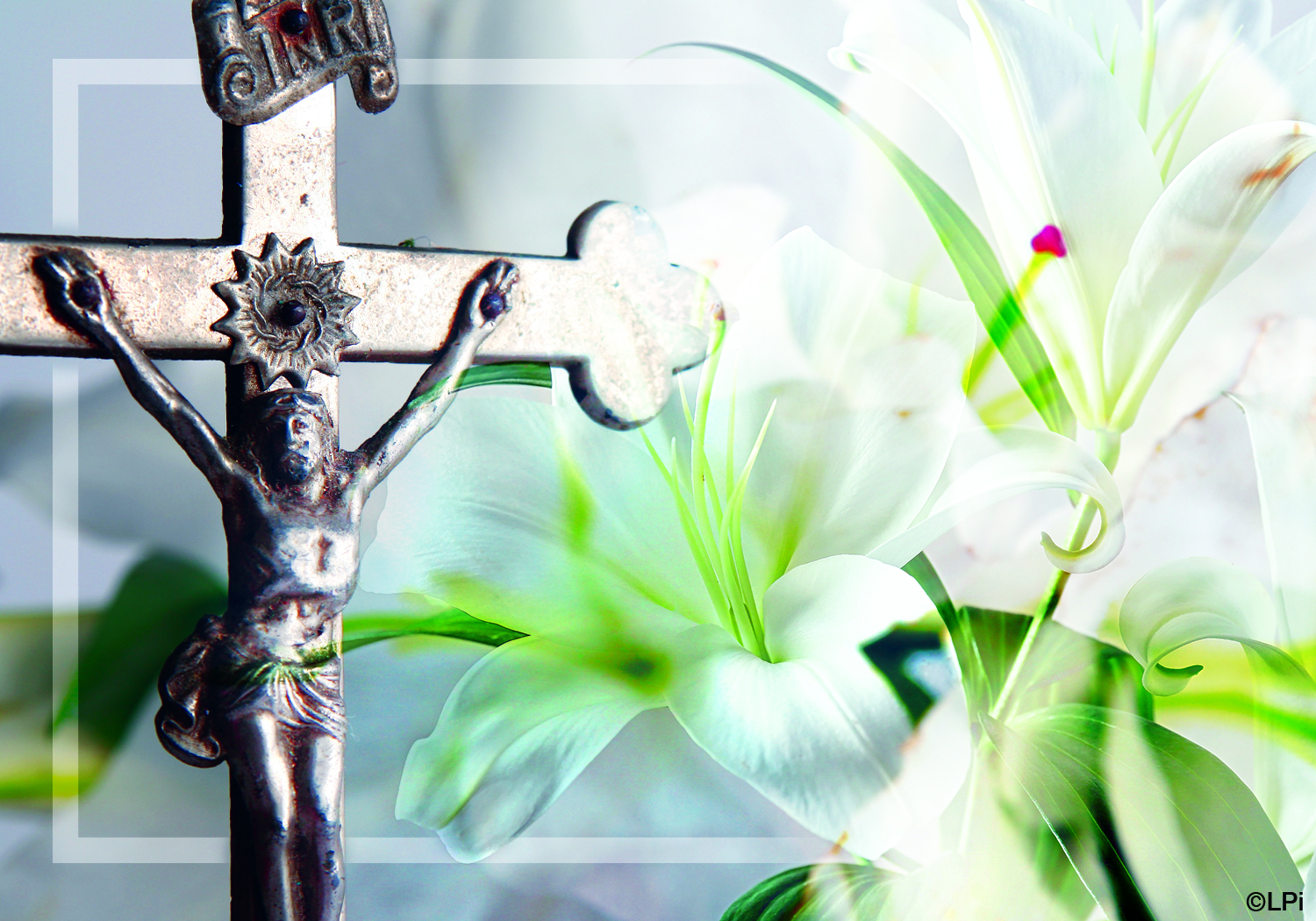

The Charism of Intercessory Prayer

Last week I wrote about how all of us have a call and all of us have been gifted by God for the sake of others. These gifts, or charisms are different from natural talents because natural talents can be used for our own benefit or for purposes that do not have God’s redeeming work at the center. Charisms can only be used to channel God’s love and provision for the world. This week I’ll begin to describe some individual charisms.

The charism of intercessory prayer empowers the intense, sustained prayer of a Christian for others as the means by which God’s love and deliverance reaches those in need.

Prayer is a necessary exercise for all disciples and does not require a special gift. But those who have been given the charism of Intercessory Prayer often see remarkable answers to their prayers on behalf of others. Christians with this charism are energized and excited to pray for others, and have the sense that God is using their prayers to change lives and situations. They don’t assume they know what God wants in any given situation; they try to “listen” to God for guidance on how to pray. They are able to spend significant time in prayer without tiring, but also can sense when they have done what God has called them to do and are finished. People frequently seek them out to ask for their prayers and report back that things changed for the better after asking for prayers.

If this describes you, you will be eager to volunteer to be on the prayer wall team. The Cathedral offers an online prayer wall so petitioners can request prayers for special intentions. The Prayer Wall Team members volunteer to keep these requests in their daily prayers. If you are interested in being on the team, please email Haley at [email protected] or call 217-522-3342.

Vicki Compton is the Coordinator of Faith Formation and Mission at the Cathedral of the Immaculate Conception in Springfield, Illinois.

5 Creative Ways to Pray for Others

Not so long ago, my prayer time consisted of presenting a long list of requests to God. Although they were heartfelt and genuine, I gradually became aware that I was doing all the talking, describing the problem to God (which He clearly knew anyway!), and telling God what I thought ought to be done about it. I didn’t give God much opportunity to guide my thoughts while I was praying.

But gradually, I’ve begun to explore different types of intercessory prayer (ways to pray for others). Rather than bombarding God with my ideas and requests, I’m learning to listen as I pray. I spend a few minutes silently considering each situation and wait to get a feeling about what to pray. Sometimes I don’t verbalize a specific prayer – I simply whisper the person’s name a few times. Here are a few suggestions to inspire you toward more creative intercessory prayer.

1. Making my prayer journal creative
My prayer journal has become much more than a notebook filled with names. I use a large scrapbook, and each page is different. For example, Gambia (where I live for several months each year), has recently gone through a period of turbulence, so my Gambia prayer page includes a map and some of my favorite photos. My journal also has a photo montage of my family. On several pages, I’ve written someone’s name and embellished it with felt pens and watercolors as I pray for them. On others, I’ve recorded scripture verses I feel prompted to share with them.

2. Creating a prayer tree
Last summer I created a prayer tree by arranging some twigs in a large vase. I cut leaves from cardstock, added a hanging loop, and then wrote the name of each person I prayed for on a leaf.

As the summer progressed, the twigs became increasingly festooned with leaves. Each time I entered the room, the tree was a gentle reminder to pray.This method was also a great encouragement because I could look at older leaves and thank God for answered prayers.

3. Praying with crafts
Make use of your crafting ability to pray for others by crocheting blankets for the homeless, making twiddle muffs or fidget quilts for patients with dementia, or knitting small hats for babies born in prison.

As a keen crafter, I felt moved to knit some tiny burial gowns to help families whose babies were stillborn. As I knitted each gown, I prayed for the parents who would receive it, that God would soothe their suffering.

This holds good for your friends and family too – while I sewed fleecy tops as Christmas gifts for my grandchildren, I prayed for them. While I believe that the very act of such crafting can be a practical prayer, there’s also the opportunity to pray as you work, or perhaps listen to a recorded meditation, such as a Rosary CD.

4. Using a printable calendar
Printable calendars are great for creative prayer. We can insert prayer requests in advance, adding important dates like a friend’s birthday or upcoming surgery. We can use it like an Advent calendar, by noting important prayers for each day beforehand, then covering it with another paper layer containing doors. Open one door each day to reveal the prayer topic.

Printable calendars can also be used progressively. Spend a few moments in quiet contemplation then fill in each daily square as you feel directed by God. Praying in Color has free printable calendars as well as many other creative prayer resources to inspire you.

5. Going on a prayer walk
A prayer walk can be done on your own or with friends. It could be as simple as taking a walk along your street and praying briefly for each house as you pass. Taking your walk further afield gives you the opportunity to pray for your wider community, including those who work at places such as the hospital, local government offices, emergency services, or neighborhood stores. Include churches, schools, community centers, and those helping others like homeless shelters or a food pantry. Even the smallest community has a host of needs.

Praying for others doesn’t have to be a rote practice. Once we begin using more creative ways to pray, we can find dozens of sources of inspiration. When we learn to listen more carefully to God’s gentle prompting throughout the day, we really can “pray without ceasing.”

Elizabeth Manneh is a freelance writer, sharing her time between the UK and The Gambia, West Africa. She’s written for many publications, including Huffington Post, ReadersDigest.com, and The Good Men Project. She’s on a lifelong exploration to find ways of bringing God into all aspects of her everyday life.

The Law of the Lord

Jesus “did not come to abolish the law.” Instead, he perfects and fulfills it. The scribe’s and pharisee’s mistake wasn’t that they strove to keep the letter of the law. Most problematic was the spirit in which they kept the law.

In the Gospel for this Sunday, Jesus poignantly prompts us to ponder our behavior and challenges us to make necessary changes in any of the areas where we lack or struggle to abide by the law. As Jesus speaks to us in Matthew’s Gospel, this long passage incorporates many habits of thought and action we should examine carefully, making sure to keep the commandments as intended and not as we perceive.

Let us begin with, “You shall not kill; and whoever kills will be liable to judgment,” especially regarding how we interact with others. One hopes that for the majority of the population, the idea of killing never crosses our minds. Therefore, we may harbor a tendency to dismiss this commandment because it doesn’t relate to us. We can almost add an invisible check mark with a sigh of relief, thinking that we have at least one out of the ten under control!

Jesus explains this law further, reminding us to look deeper at the disposition we display toward others. Anger showed — or just merely held against — our sisters and brothers in Christ and left unresolved leaves us liable for judgment. While we may not always be able to control our immediate internal reaction to another person’s words or behavior, we absolutely can (and for our spiritual good, should) control what we do next.

Jesus admonishes not to remain in anger nor to act upon it but to bring our concerns to our brother before coming to make an offering to God at the altar. At the beginning of each Eucharist celebration, we participate in the penitential rite. The purpose of this rite is to ask God to forgive our sins, so that we may offer the sacrifice of the Mass worthily. The Eucharist is not only a sacrament that we receive. It is also a sacrifice that we offer. Here, we call to mind our sins, and the priest recites, “Brethren (brothers and sisters), let us acknowledge our sins, and so prepare ourselves to celebrate the sacred mysteries.”

This section of the penitential rite connects beautifully to Jesus’ teaching: “Therefore, if you bring your gift to the altar, and there recall that your brother has anything against you, leave your gift there at the altar, go first and be reconciled with your brother, and then come and offer your gift.” (Mt 5:23-24) The next time you are at Mass, try not to only recite the words of the penitential rite but also call to mind any unresolved animosities you hold against your brethren. Ask God for the grace to forgive them, so you may fully participate in the mystical and miraculous liturgy.

Next, let us look at Jesus’ words about the commandment concerning adultery. Possibly, you can recall from your youth the lyrics in the children’s song: “Be careful little eyes what you see,” which teaches the importance of guarding our hearts by what we allow ourselves to see. What activities do we mindlessly participate in without even considering the spiritual implications? When my children were teenagers and flipping through the channels looking for a show to watch, I would remind them, “Be sure to pick something you could watch with Grandma … and Jesus.” This commandment reminder from Jesus extends far beyond looking at another person with lust, but in preventing ourselves from any temptation of the flesh by being preemptive in our media, entertainment, and leisure activity choices.

The danger for the scribes and pharisees was getting too caught up in the minutia. But for modern-day Christians, perhaps it is the opposite. Maybe we are not paying enough attention to the details of our lives. We must ask ourselves, “How do we wish to be considered in heaven?” Jesus guides our understanding of the importance of keeping these laws.

“Therefore, whoever breaks one of the least of these commandments and teaches others to do so will be called least in the kingdom of heaven. But whoever obeys and teaches these commandments will be called greatest in the kingdom of heaven.” (Mt 5:19)

Allison Gingras is an author for Liturgical Publications, Inc., and publishes reflections on Sunday readings and various topics.

The Church’s Teaching on Suicide

A little under two weeks ago, word began to spread around social media regarding a young priest in a midwestern diocese who was found to have taken his own life. News of this kind is always hard because, as the Catechism of the Catholic Church teaches, “suicide contradicts the natural inclination of the human being to preserve and perpetuate his life (CCC 2281).” I must admit that, even though I did not know this priest, this news hit me at my core and dogged my thoughts for several days.

While priests have no special hold on grace or any unique immunity from suffering, it can be generally assumed that, in spite of the effects of sin in the world and in our own lives, we form a certain disposition to keeping our eyes on the things of heaven, which in turn yields a certain amount of hope. So what happened here with this young priest, Father Harkins, who had so much life, so much good work ahead of him? This question is not unique to this situation only as similar questions are often posed when people are made to deal with the heart-breaking reality of someone’s suicide.

Life is a precious gift, which is given by God and only God may call that gift back to himself. The Church teaches that the act of taking one’s own life is gravely wrong because it violates God’s own love of the individual, just love of self, and the good of others who will suffer because of the act (CCC 2281). However, the Church also recognizes that in many, many cases, if not all one might argue, the person who commits such an act does not do so freely because it goes against the natural inclination of self-preservation.

The Catechism states: “grave psychological disturbances, anguish, or grave fear of hardship, suffering, or torture can diminish the responsibility of the one committing suicide (CCC 2282).” In the case of Father Harkin, it is believed that he was the victim of a severe adverse reaction to a prescription drug that he had recently been given for serious digestive problems; the drug’s side effects for him included consistent nightmares and extreme levels of anxiety.

If you have been affected by the suicide of a loved one, please do not lose hope in the goodness and mercy of God. The Church teaches and believes: “we should not despair of the eternal salvation of persons who have taken their own lives. By ways known to him alone, God can provide the opportunity for salutary repentance. The Church prays for persons who have taken their own lives (CCC 2283).” Sadly, many Catholics do not know this aspect of the Church’s teaching. If you have been affected by suicide and suffered further from being told something completely different from what the Church teaches, please know how truly sorry I am for the additional pain that you experienced.

Our ultimate hope is in the mercy of the crucified and risen Christ, to whose love we commend all the faithful departed, especially those who may have lost sight of the Lord in a tragic moment of darkness and despair; may their souls, the soul of Father Harkins, and the souls of all the faithful departed, through the mercy of God, rest in peace. Amen.

Father Christopher House is the Rector of the Cathedral and serves in various leadership roles within the diocesan curia, namely Chancellor and Vicar Judicial.

Quick Meditations on Every Mystery of the Rosary

Several years ago, my church hosted an Arise night. Arise Milwaukee is a group that helps people fall in love with Jesus in the Catholic Church. An Arise night is no small feat and I was the point person for the parish. After the first planning meeting, I heard God tell me to say a Rosary every night until the event. I’ll admit, my response was, “Are you sure? That’s” (quick counting) “forty days away!” I decided to sleep on it. The next morning the request returned and the fact that forty is a pretty biblical number was making it hard to say no.

So I said yes and again, I’ll admit, it was hard. I had never done a regular Rosary and it became a bit of a chore. I felt guilty about that, but I’d made a commitment to God and I wasn’t going to quit. The Arise night arrived and was beautiful and I stopped praying a daily Rosary. But the idea persisted. I felt guilty for not wanting to do it while at the same time feeling like I did want to do it. Not wanting it to be an obligation; I wanted to do it in love. I started with a weekly Rosary and began having some lovely prayer experiences. This summer when I found my life upended, I started praying it daily. It became an important part of each day.

Rhythm and Meditation
The rhythm of the Hail Marys quiets my mind to reflect on Christ’s life. I began having insights into the important parts of his life and grew in appreciation of his sacrifice, and as a result I have grown in my desire to sin less and pray more. I have also experienced spiritual attack which is not unexpected. Mary wants to help us be closer to her son. Satan is not a fan of that. As Padre Pio said, “Love the Madonna and pray the Rosary, for her Rosary is the weapon against the evils of the world today.” The Rosary is most effective when we meditate on the mysteries. Below are some thoughts to help in your own prayer.

Joyful Mysteries
The Annunciation – Fruit of Humility
Mary said yes. God was asking a great amount of her. She could face disapproval. Joseph could abandon her. She might not be believed. Mary risked a lot because she had faith in God’s goodness. I imagine her kneeling in wonderment at the angel Gabriel, his hands encompassing hers, his forehead pressed against hers as he tells her of God’s great plan. She whispers “yes” knowing that her life is forever changed and possibly going to be much harder. She allows God’s will to be done and with that fiat the salvation of the world is set in motion. I pray that I can put God’s will before my own.

The Visitation – Love of Neighbor
Newly pregnant, Mary walks several days to visit her cousin Elizabeth. She is greeted with great joy and exclaims her Magnificat. While knowing that all will call her blessed, she spends several months serving Elizabeth. I imagine her performing the tasks of life so that Elizabeth, in her third trimester when the physical burden of pregnancy is greatest, can rest. Despite her own possible exhaustion and morning sickness, she serves her cousin. I imagine them at the end of the day sitting together and sharing their feelings about these two miraculous babies. I pray that I can serve as Mary did.

The Nativity – Poverty of Spirit
Mary and Joseph are far from home and she is about to give birth. They find nowhere to stay. Rather than panicking, they rely on God who leads them to a safe, warm place for his son’s birth. I imagine their worry but also their sense of calm. They know God cares for them and he will not abandon them on this holy journey. As the angels announce Jesus’ birth and the shepherds come to pay him homage, Mary and Joseph are surrounded by God’s love. I pray for the grace to depend on God completely.

Presentation in the Temple – Obedience
Mary and Joseph obey the law and bring their newborn son to the temple and offer a sacrifice. There they meet Simeon who has waited many years to meet the Messiah. I imagine Simeon gazing at Jesus. The Christ for whom he has waited has arrived just as God promised. He raises his eyes to heaven in thanks. He also warns Mary that her own heart will be pierced. She continues to trust God, not knowing what lies ahead. I pray for trust in God’s plan and patience in waiting for it to unfold.

Finding Jesus in the Temple – Piety
After not knowing where he was for three days, Mary and Joseph find Jesus in the temple. I imagine the fear they felt when they realized Jesus was not with them as they returned from Jerusalem. I imagine how scared they felt as they looked for him and the increasing anxiety they experienced as time passed. At last they find him in his father’s home. What relief and joy. We look for Jesus too and we can always find him in church. He is there waiting for us. I pray that I will not find reasons to avoid visiting Jesus regularly.

Luminous Mysteries
Baptism of Jesus – Openness to the Holy Spirit
Though Jesus is without original sin, John baptizes him and God announces that Jesus is his son and he is pleased. I imagine standing in that cool river, feeling the water rush past me. The sounds of the crowd are muffled as my head goes below the surface. I imagine hearing God’s great voice proclaiming he is pleased with his son. I desire God to be pleased with me too, and pray that I can accept the movement of the Holy Spirit in my life.

Wedding at Cana – Jesus Through Mary
It is here Jesus’ public life is put into motion. I imagine Mary noticing that the wine is running out and hearing her ask Jesus for help, confident in his assistance. His respect for Mary is so high, he performs his first miracle at her request. Her command, “Do whatever he tells you” is for us too. The wine stewards listen and water is turned into wine. When we pray the Rosary she intercedes with her Son on our behalf. I pray to grow closer to Jesus with Mary’s help.

Proclamation of the Kingdom – Repentance
Jesus went about the land preaching the coming of the kingdom of heaven. He healed the sick and cast out demons. I imagine the awe of the people watching this man proclaim the importance of repenting of our sins as he healed people of their paralysis or leprosy. He preached about love and forgiveness. We too need healing and repentance. I pray for the ability to be humbly and genuinely sorry for my sins against others and against the God who loves me and made me.

The Transfiguration – Desire for Holiness
Peter, James and John accompany Jesus up Mount Tabor where Jesus is transformed before them in glorious light and Moses and Elijah appear. Peter desires to build tents for them so they may stay. God again proclaims pleasure in Jesus, his beloved Son and tells them to listen to him. I imagine the disciples seeing Jesus with the prophets of the past and hearing God’s voice. They received a beautiful gift from God and comforting words from Jesus to not be afraid. I pray for the desire to spend time with Christ thinking about his message and striving for holiness. Institution of the Eucharist – Eucharistic Adoration Jesus gives us the greatest of gifts in his presence in the Eucharist—body, blood, soul and divinity. I imagine the disciples hearing these words of the New Covenant and the directive to do this in his remembrance. We reflect on this at every Mass as we genuflect before the tabernacle. We are also invited to visit Jesus in adoration. It takes great faith to believe in the Real Presence. I pray for the grace to have that faith, to seek him in adoration and surrender myself humbly to his service.

Sorrowful Mysteries
The Agony in the Garden – Conformity to God’s Will
Jesus knows torture and death lie ahead and he prays that the cup will pass. He also prays God’s will be done. In his agony, he carries the weight of our sins so that we may be saved. I imagine the courage it took to give himself to God’s plan. We too suffer and while we may pray the suffering will end, we are given support from Our Lord to endure, as Jesus received strength from the angel in the garden. I pray for the courage to conform to God’s will especially when it may be difficult.

The Scourging at the Pillar – Mortification
Jesus is brutally tortured to near death. Scourging was more than mere beating; it involved using instruments to inflict the most pain and blood loss possible without actually killing. Jesus was beaten for our sins. His mother watched as her son’s blood spilled on the ground. I imagine the horror she felt watching her precious child be brutalized, and how hard it must have been to not run to his rescue. I pray for forgiveness for my sins, the sins that contributed to the torture of my Lord.

The Crowning with Thorns – Moral Courage
Jesus is stripped, reclothed with a scarlet robe and crowned with thorns. He is mocked and spit upon by the soldiers. The people demand his crucifixion. Despite his innocence, he does not defend himself. He is strong in the face of hatred. I imagine his sadness at the people’s ignorance, his sorrow at their contempt. I pray for courage to defend God’s truth and strength to withstand the criticism and hatred of others.

The Carrying of the Cross – Patience
Jesus’ humiliation continues as he carries the Cross he will be crucified on through the town and people continue to mock him. I imagine the pain of the heavy wood against his back, rubbing against the open wounds from the scourging, the hot sun on him, the thirst, and hunger. I imagine his grief at seeing Mary, knowing she is watching her son die. Jesus is patient in enduring this suffering for us. I pray for more forgiveness, knowing my sins add to the weight of that Cross. I pray for patience in my own times of difficulty.

The Crucifixion – Salvation
Jesus arrives and is nailed to the cross. As he hangs, slowly dying, he is comforted by the presence of Mary, her sister, John and Mary Magdalene. Mary is strong. She has watched him suffer and now die and she never leaves him. I imagine her heartache. In his words to Mary, “Woman, behold, your son” all of us are entrusted to her love. I pray in thanksgiving for Christ’s suffering and sacrifice so that I may be saved.

Glorious Mysteries
The Resurrection – Faith
Jesus did as he foretold; he rose from death, thus securing for us everlasting life in heaven with him and his father. The women who went to visit him are greeted by an angel who gives them this good news. They see him on their way to Galilee and he tells them to tell the disciples of his resurrection. I imagine the joy they feel when they see the one they love living again, the celebration of the disciples and Mary when they are able to touch him and talk to him. I pray for faith that I too may one day be with Jesus in heaven.

The Ascension – Hope
As Jesus ascends to heaven he tells his followers to go and make disciples. He sends them to the world to share his story and he promises he will always be with them. I imagine their surprise to see him lifted up and away to the clouds and their wonderment as all that occurred. I imagine them considering what will happen next and how they will do as he told them. They are filled with hope and maybe fear. I pray for hope when I don’t know the way forward or when times seem dark.

The Coming of the Holy Spirit – Wisdom
The apostles and Mary are hiding in the upper room in fear of the future. When the Holy Spirit, the Advocate Jesus said he would send, comes to them they are filled with the gifts they need to go out into the world: love, joy, peace, patience, kindness, goodness, faithfulness, gentleness, and self-control. We receive these same gifts at our baptism and confirmation. I pray that I can use these gifts to share the love of Jesus and the story of his good news.

The Assumption of Mary – Devotion to Mary
Mary is taken to heaven to her rightful place with Jesus where she intercedes for us in prayer. I imagine her excitement at being with her son again, and her pleasure at being in heaven with God. I pray for her intercession and help in growing closer to Jesus, while asking her to help me love him more. She will keep pointing the way toward her son.

The Coronation of Mary – Eternal Happiness
Mary is the Queen of Heaven and Earth. She listened to God’s will and stayed true to his plan for her life. Mary was not spared suffering but her reward in heaven is great. She is our queen too, and if asked she will help us in all facets of our life. I imagine her lovingly looking down at us and her happiness at our requests for help. I pray for her humility, patience, and trust.

Merridith Frediani’s perfect day includes prayer, writing, unrushed morning coffee, reading, tending to dahlias, and playing Sheepshead with her husband and three teenagers. She loves leading small faith groups for moms and looking for God in the silly and ordinary. She blogs and writes for her local Catholic Herald in Milwaukee.

« Previous Page
Next Page »

Liturgy

Sunday Masses (unless noted differently in weekly bulletin)
Saturday Evening Vigil – 4:00PM
Sunday – 7:00AM, 10:00AM and 5:00PM

Weekday Masses (unless noted differently in weekly bulletin)
Monday thru Friday – 7:00AM and 5:15PM
Saturday – 8:00AM

Reconciliation (Confessions)
Monday thru Friday – 4:15PM to 5:00PM
Saturday – 9:00AM to 10:00AM and 2:30PM to 3:30PM
Sunday – 4:00PM to 4:45PM

Adoration
Tuesdays and Thursdays – 4:00PM to 5:00PM


CatholicMassTime.org

Parish Information

Parish Address
524 East Lawrence Avenue
Springfield, Illinois 62703

Parish Office Hours
Monday thru Thursday – 8:00AM to 4:00PM
Fridays – CLOSED

Parish Phone
(217) 522-3342

Parish Fax
(217) 210-0136

Parish Staff

Contact Us

Contact Us

Copyright © 2025 · Log in