How many times have you sung the church song, “Here I Am, Lord”? If you grew up Catholic and are around my age (still 50!), the answer is more than you can count. The song that quotes various verses of Scripture is sung using guitar, piano, or organ, by cantors and choirs, in traditional and modern churches. It is truly a Catholic greatest hit of the modern Church. The question is how many times when singing the refrain have you really taken to heart what you were singing?
“Here I am, Lord; is it I, Lord? I have heard you calling in the night.” Like the biblical figure Samuel, we are responding to the call of God by asking for clarification that we are indeed the one being called. We then follow up the question with a profound statement: “I will go if You lead me.” It is profound because we are pledging to our God that we are willing to go wherever He wants. We are accepting the challenge put forth in the U.S. Bishops’ pastoral letter, “Stewardship: A Disciple’s Response,” to become mature disciples who respond to the call of Jesus Christ regardless of the cost. We have sung this pledge repeatedly for many years.
We never have any idea what God will call us to do and where to go. Sometimes the request can ask us for quite a lot. Hopefully, we respond like a mature disciple. If not, maybe we should reflect more the next time this song is played. The melody will not allow for the words, “I will see if I am busy and then decide to go if you lead me.” Then again, I don’t want to sing that to God, the source of all life anyway. Do you?
Tracy Earl Welliver is a Catholic author, speaker, consultant, and Gallup-certified Strengths coach with over 25 years experience in parish ministry. He is currently the Director of Parish Community and Engagement for LPI where he manages the company’s coaching and consulting efforts. Tracy also currently sits on the ICSC Board of Directors and is a Gallup-certified Strengths coach. He has spoken on and coached dioceses, parishes, and individuals on stewardship, engagement, Strengths, and discipleship all over North America, Australia, and New Zealand.
 Last Sunday saw the end of the Church’s liturgical celebration of Christmas with the Feast of the Baptism of the Lord and with it the bringing down of the Church’s decorations, well, in most places, and most of them here. So, why is the crèche still here? I’m glad you asked.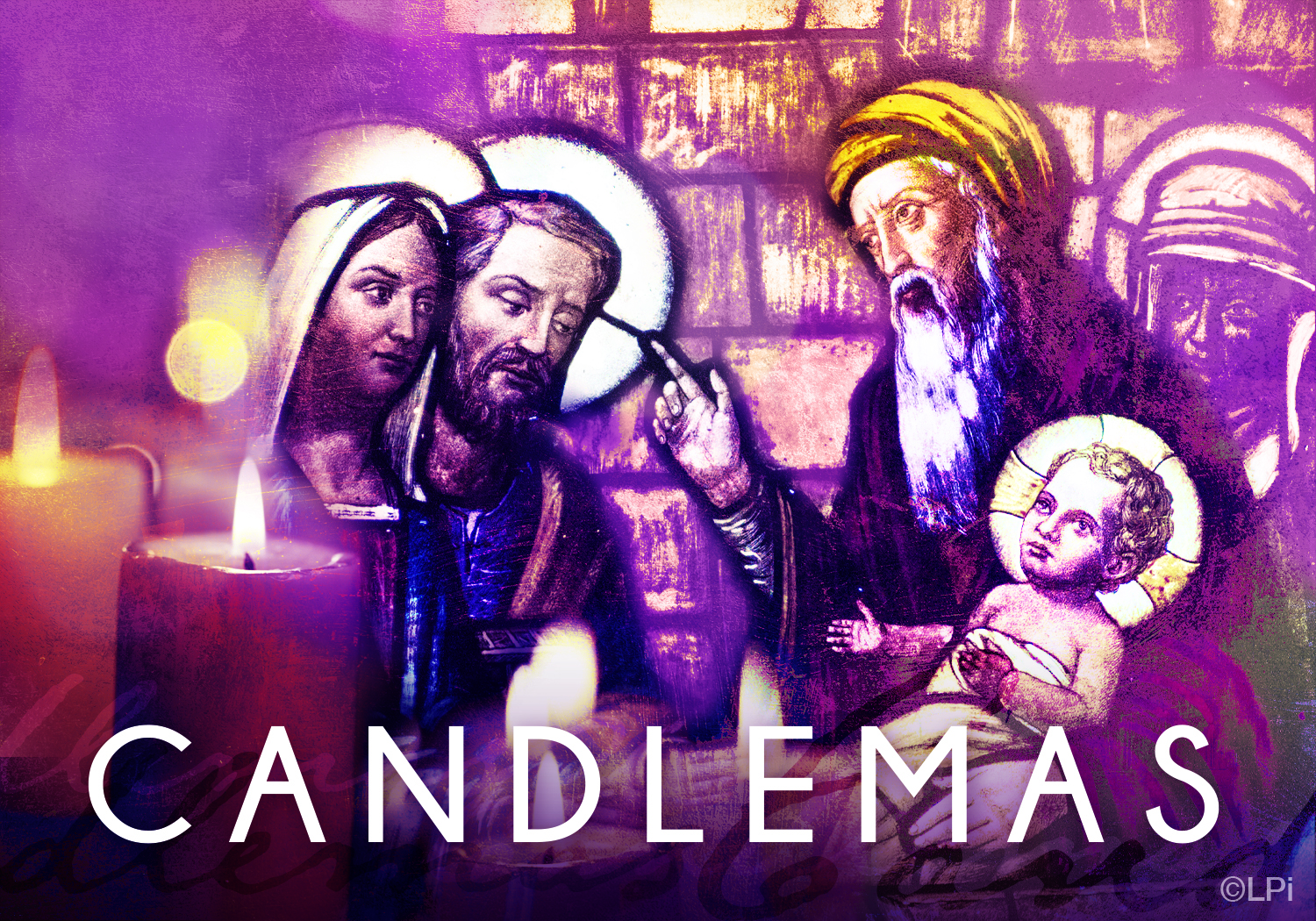
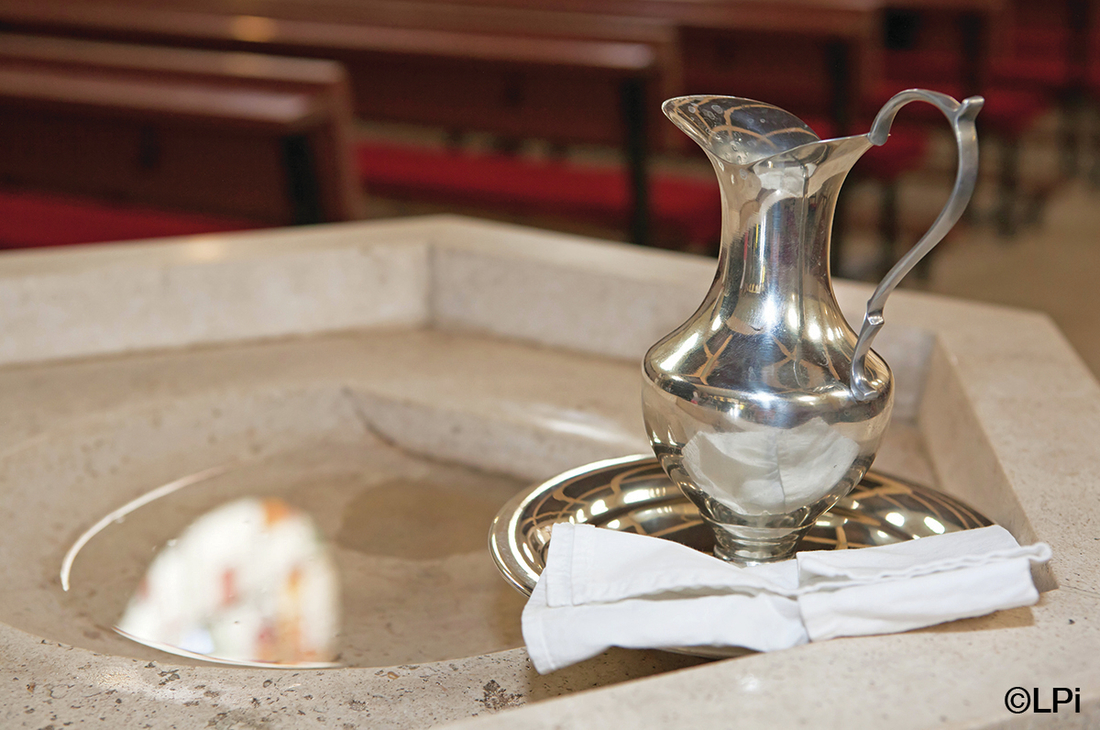
 It is all wrong, or at least it seems wrong. Jesus has no need of John’s baptism. And yet, this is his first recorded act in all four Gospels.
 Because of Jesus’ sharing of his intimate life of prayer, we know that God is Trinity. Hinted at under various guises in the Old Testament, the Trinity is spoken of in a direct way in both the Gospels and the New Testament epistles. The Church later articulated what we know about it in clear and precise terms. The Trinity, a communion of divine Persons in utter unity, unveils an eternal foundation to what we mean by saying “God is love.” Nevertheless, the Trinity cannot be fully grasped, because God is mystery, far above human comprehension.
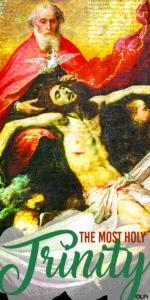 As Christians, we have learned to read Scriptures relating to the Father, Son, and Holy Spirit in light of the doctrine of the Trinity. This is an example of reading Scripture according to the analogy of faith (Catechism, no. 114). The early Christians understood the Trinity intuitively by faith, but they were not yet able to plainly articulate it. They could, however, sense heresy when something was awry in an interpretation. Out of controversies and debates and aided by the guidance of the Holy Spirit, the Church came over the course of several centuries to the full doctrine of the Trinity. Along the way, the Church even developed the term person as we use it today to speak of an individual of a rational nature. The doctrine of the Trinity states that there is one God, three distinct equal divine Persons – Father, Son, and Holy Spirit.
 We all know the drill. We should go to Mass on Sunday. We should go to Mass on Holy Days. And really, in general, we should worship God more in our daily lives.
 Catholics do not celebrate Mass because we should do it; rather we celebrate the Mass because we need to do it. Coming to the table, hearing scripture, and sharing a meal together are a vital part of our faith life. The Mass gives us the energy and nourishment to go out into the world and live the gospel life every other day of the week. So remember, skip the “shoulds” and determine what you need for a worship-filled life.